Which Foundation Cracks Matter
Not every crack is a foundation problem, and not every foundation problem starts with a dramatic crack. Arlington Foundation Repairs explains how to read what you are looking at before anyone quotes you for piers.
- Referral Service
- Slab & Pier and Beam
- Residential & Commercial
By Arlington Foundation Repairs · Updated September 2026
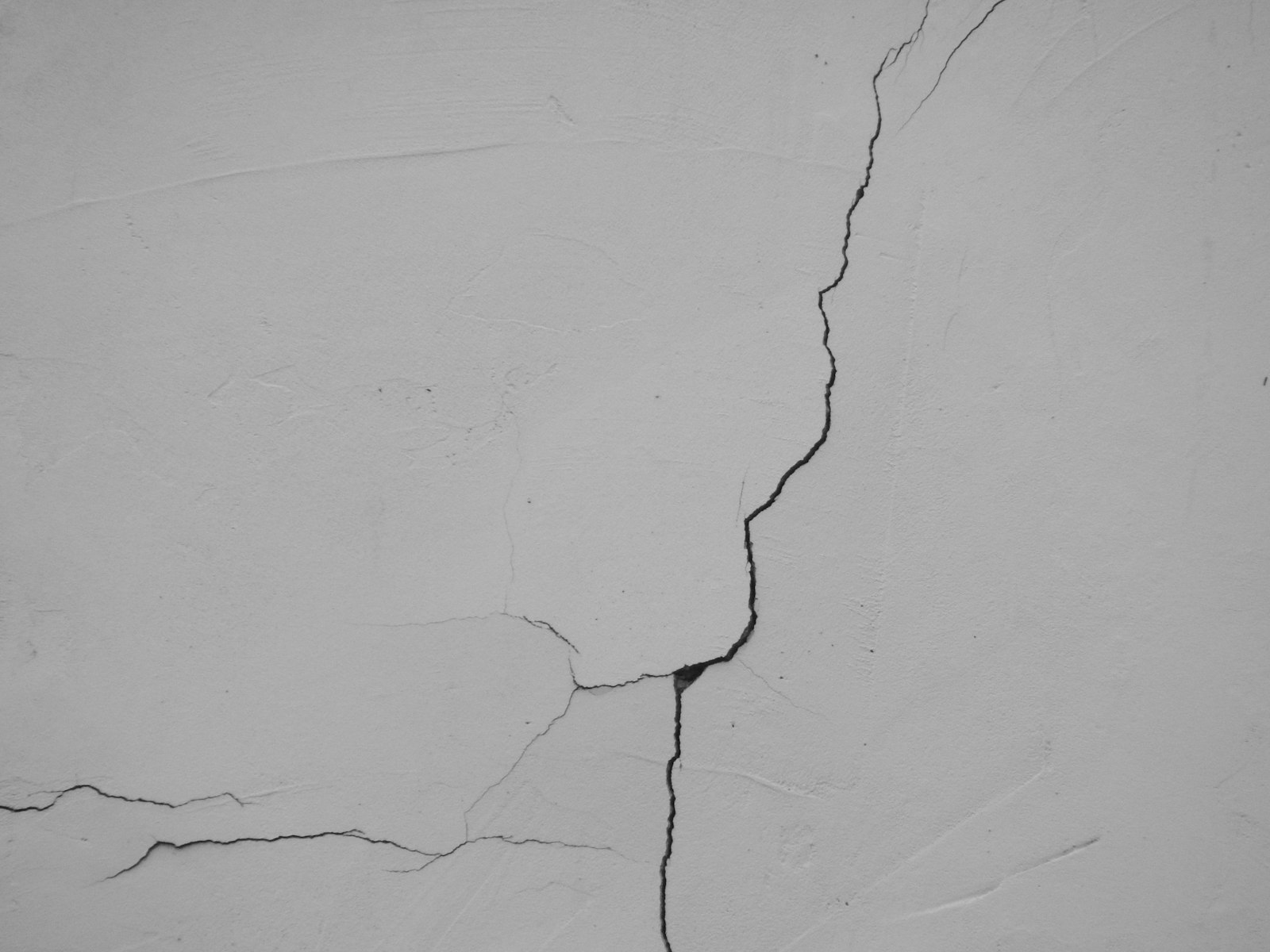
Width, Direction and Change
Three things matter about a crack: how wide it is, which way it runs, and whether it is changing. Length is the one people quote and it is the least useful. A hairline you can barely feel, running two feet along a drywall seam, is usually nothing. A quarter-inch gap running diagonally from a window corner is worth a phone call, however short it is.
Change is the one nobody records. Put a pencil mark at each end of a crack with today's date beside it, and measure the width at one point with a ruler. Photograph it with something for scale. In six months you will know whether it is moving, and that single piece of information is worth more than any opinion given at the door.
Cracks in Brick and Mortar
Stair-step cracks that follow the mortar joints up a brick wall are the classic sign of differential settlement, meaning one part of the foundation has dropped relative to another. Look at whether the crack is wider at the top or the bottom, because the wide end points toward the part of the wall that has moved furthest. A crack that runs through the bricks themselves rather than the mortar generally indicates more force than one that follows the joints.
Vertical cracks at the corner of a house, where two walls meet, are common and often related to thermal movement in the brick rather than the foundation. Mortar that is simply crumbling with age is a repointing job. It is the combination, a stair-step crack plus a door that sticks plus a floor that slopes the same way, that makes a case.
Cracks in Drywall and Plaster
Inside, the ones to take seriously run diagonally from the corner of a door or window opening, or continue around a corner from ceiling to wall. Those corners concentrate stress, so a wall being pulled out of shape shows there first. Cracks that reopen every year in the same place after being patched are telling you the movement has not stopped.
Horizontal cracks along the line where the wall meets the ceiling are often nail pops or seasonal movement in the framing. Fine crazing in old plaster, especially in houses from the 1950s and earlier, is usually age. If you are in an older house with original plaster, expect some of this and judge it against the outside of the house rather than on its own.
Cracks in the Slab Itself
If you can see the concrete, in a garage or under lifted flooring, you will probably find cracks. Most slabs crack as the concrete cures and shrinks, and those hairlines are normal. What deserves attention is a crack with a vertical step in it, where one side sits higher than the other, or one that has clearly opened wider over time, or one wide enough to put a coin into. A crack that runs the width of the slab and lines up with cracking above it in the walls is the pattern that matters.
On a post-tension slab, common in newer subdivisions, nobody should be cutting, drilling or coring without knowing where the cables run. That applies to a homeowner installing a floor drain as much as to a contractor.
What Cracks Cannot Tell You
Cracks show you where the stress has ended up. They cannot tell you how far the house has moved, whether it is still moving, or what caused it. Only an elevation survey answers the first, comparison over time answers the second, and looking at the drainage, the trees and the plumbing answers the third. A contractor who quotes piers based purely on photographs of cracks has skipped the part that matters, which is why a proper inspection page starts with measurement.
Cracks in Arlington Houses
The clay across most of Arlington swells through a wet spring and shrinks through a drought summer, so a great many local houses have cracks that open and close with the seasons without ever getting worse. That is normal behavior for this soil. The concerning pattern is a crack that gains a little each year and never recovers, particularly on the elevation nearest a large tree or the wettest part of the yard. In the mid-cities the same thing happens on 1970s and 80s housing, described on our page for foundation repair in Bedford, where mature landscaping is often the driver.
What to Do Before You Call Anyone
Mark and date the cracks. Photograph the outside of the house on each elevation. Note when you first saw each one and whether it is worse in summer. Check where the downspouts empty and whether any part of the yard holds water. Do not patch anything yet, because filled cracks hide the evidence and make an inspection less useful. And do not attempt any lifting or digging along the slab edge yourself.
Arrange an Inspection
When the picture adds up to more than a hairline, get the floor measured. A survey turns the question into numbers, and from there you can decide sensibly. Read about slab foundation repair, compare pressed concrete and steel piers, see whether drainage work deals with the cause, or call about an inspection and describe what you have recorded.