Measure before you fill
Crack width is recorded and the floor is surveyed, so you know whether you are sealing a stable old crack or covering up a corner that is still dropping.
A crack is a symptom, so the first job is working out what opened it. An independent provider should measure the floor, read the crack itself and tell you whether it needs sealing, monitoring or proper structural support.
Almost every house in this part of Texas has some cracking, because clay soil moves every year and concrete and mortar are brittle. The useful questions are how wide it is, which way it runs and whether it is still changing. Our guide to which cracks matter goes through the common patterns with the same rules a crew uses on site.
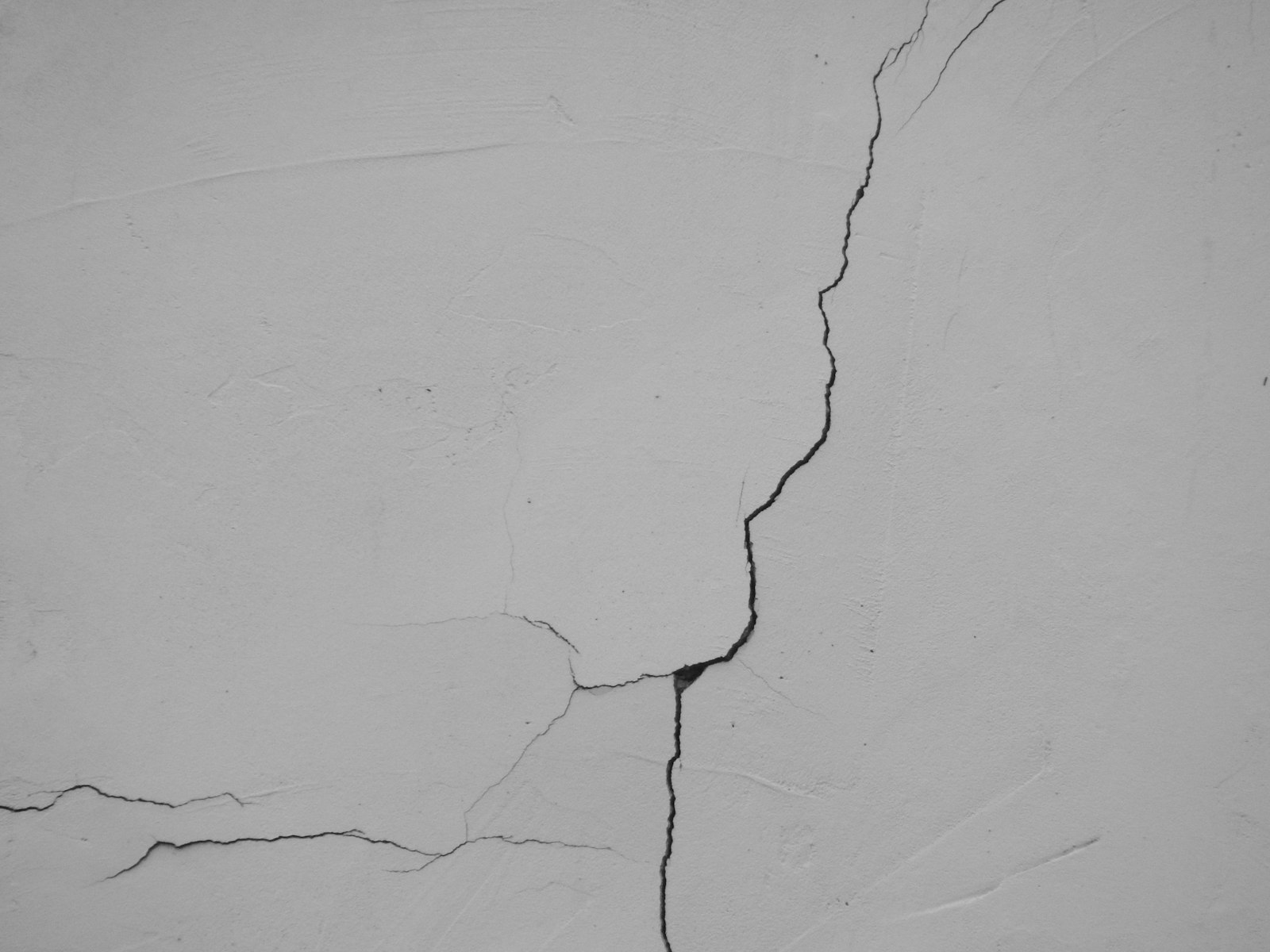
Filling a crack is the easy part. Everything below exists so the filling actually lasts.
Crack width is recorded and the floor is surveyed, so you know whether you are sealing a stable old crack or covering up a corner that is still dropping.
Used on sound concrete where the two sides need to be bonded back together. It sets hard and effectively welds the crack, which only makes sense once the movement has stopped.
A flexible resin that expands to seal a crack against water and can tolerate a little further movement. It is the usual choice where damp or seepage is coming through.
Sometimes the right answer is a dated mark either side of the crack and another look next season. A crack that has not changed in six months is telling you something useful.
Stair-step cracks in brickwork are repointed after the structure is stable, not before. Ask the provider which cosmetic work is included and which is yours to arrange.
If a wet flowerbed, a downspout or a large tree opened the crack, sealing it changes nothing. Ask for that work to be priced separately so you can see it.
There are really three outcomes. If the floor survey comes back close to level and the crack is not moving, sealing or simply watching it is the honest recommendation, and you have not spent money on piers you did not need. If the survey shows a corner or an edge has dropped, injection is cosmetic: the house has to be supported first with foundation piers or slab repair, and the crack is closed up afterwards. And if the cause is water or roots, the cheapest real fix starts with drainage and root barriers.
Where piers are recommended, the type matters and the quote should name it. Our pressed concrete versus steel piers comparison explains how each is installed and what to ask about depth. On a crawl space house the cracking often shows up in plaster and at door frames instead, which is covered under crawl space repair.
Not sure which of the three you are in? That is exactly what a measured inspection is for. Older housing tends to show more of this, which is why it is common on streets like those in Pantego most summers.
The length and width of the crack, how many there are, whether injection is done from inside or outside, and above all whether the structure has to be supported first. Sealing a stable crack is a small job. A crack caused by a settled corner is a piering quote with sealing at the end. Ask the provider to measure before pricing either.
You can fill a hairline crack in drywall or a small crack in a garage slab with a patching compound, and there is no harm in it. What it will not do is tell you whether the house is still moving, and a filled crack that reopens has cost you the chance to see how fast it was going. Mark the ends of the crack with a pencil and a date first.
They do different jobs. Epoxy bonds sound concrete rigidly and suits a crack that has finished moving. Polyurethane stays flexible and is aimed at sealing out water. Neither adds strength to a foundation that is settling, which is why the floor survey comes first.
Mark each end of the crack with a pencil line and the date, and measure the width at the widest point with a ruler or a coin for scale. Photograph it in the same light every month or two. If it is wider after a dry summer, or doors have started sticking as well, have the house measured. See the warning signs guide for the other symptoms to watch alongside it.
Call and describe the crack, its width and when you first noticed it.