Fall Foundation Repair in Arlington, TX
Foundation repair in Arlington, TX often comes up in fall, after a hot, dry summer lets clay soil shrink and pull away from the slab. When rain returns, that soil swells again. If doors stick, cracks grow or gaps open this season, write it down and call to be connected with a local provider for an inspection.
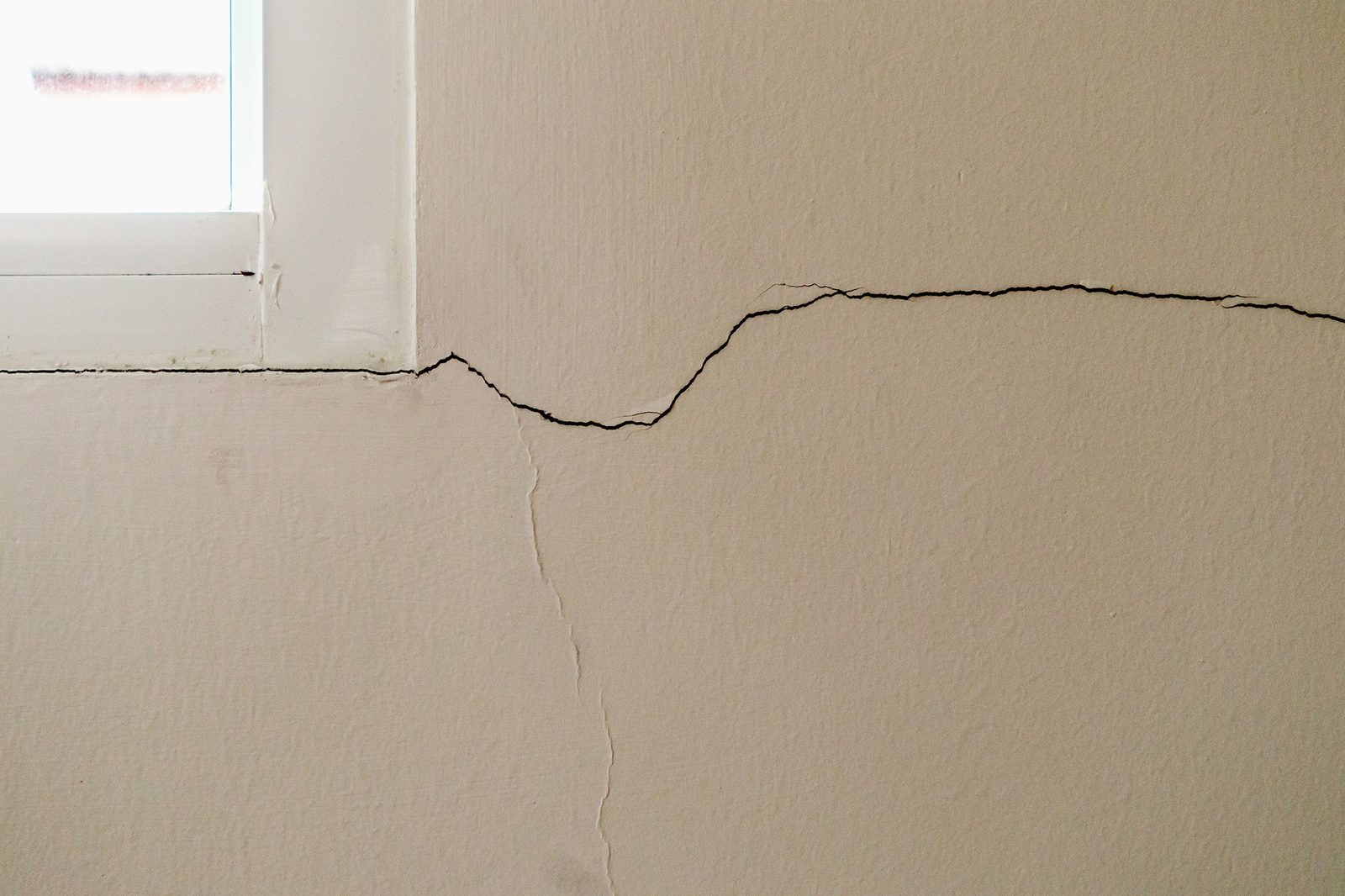
- Expansive clays in the Blackland Prairie shrink and swell markedly as moisture changes (USDA NRCS).
- During dry periods, Houston Black clay can crack 1/2 to 4 inches wide at a 12-inch depth (NRCS).
- At DFW Airport, the average first freeze is November 22 and the average last freeze is March 12 (NWS).
- Fall is a good time to compare summer cracks with how the house behaves after rain returns.
- For severe signs, ask for a qualified inspection or a structural engineer before any repair.
Why does foundation repair in Arlington, TX come up so often in the fall?
Foundation repair in Arlington, TX comes up in fall because summer and fall are when clay soil changes the most. Long dry spells pull moisture out of the ground, the soil shrinks, and part of a slab can lose support. Then fall rain swells the soil again. That back and forth can show up as new cracks or sticking doors.
Many homeowners first notice a problem in September or October. A crack that looked small in July may look wider, or a door that closed fine in spring may drag. These are not always signs of serious damage. Some movement is seasonal and settles down. The point of a fall check is to tell the difference.
- Clay soil shrinks when it dries and swells when it gets wet.
- A slab can rest on soil that moves unevenly, such as dry on one side and wet on the other.
- Changes that keep growing across seasons matter more than a single hairline crack.
If you want a refresher on which signs matter, read our guide to foundation problem warning signs.
What signs of foundation movement should I look for this fall?
Look for changes, not just flaws. In fall, walk through your Arlington home and note doors that stick or will not latch, new drywall cracks above doors and windows, stair-step cracks in brick, gaps around window frames, and floors that feel sloped. Take dated photos so you can compare them after the next few rains.
Outside, check the soil line around the slab. After a dry summer you may see a gap between the soil and the concrete. Look at the brick for cracks that zigzag along mortar joints.
- Inside: sticking doors, cracks at corners of doors and windows, gaps where walls meet ceilings.
- Outside: stair-step brick cracks, soil pulling away from the slab, gaps at window trim.
- Floors: new slopes, tile cracks, or a ball that rolls toward one side of a room.
Our page on foundation crack repair explains which crack types are usually cosmetic and which call for a closer look.
Is fall foundation movement normal, or a sign I need repair?
Some fall movement is normal for homes on clay soil, but a pattern that keeps getting worse is a reason to call. A hairline crack that opens slightly in summer and closes partly after rain may be seasonal. A crack that keeps widening, doors that stop latching, or floors that slope more each year point to movement that should be inspected.
Mark the ends of a crack with a pencil and check it again in a few weeks. If it grows past your marks, that is useful information for whoever inspects the home.
When the signs look severe, such as large cracks, doors far out of square, or a visible slope, ask for a qualified foundation inspection or a structural engineer. No page can tell you whether your home is safe. A hands-on evaluation can.
Need help now? Call to be connected with a local provider in Arlington who can check availability for your address.
Does watering around the foundation help during a dry Arlington summer?
Watering can help keep soil moisture more even, but it is not a cure and it does not prevent foundation damage on its own. In Arlington, the main goal is to avoid big swings between very dry and very wet soil next to the slab. Even moisture and good drainage work together.
Keep in mind that too much water can cause its own problems. Water that pools against the slab can soften soil and push movement the other way. Check that gutters drain away from the house and that the yard slopes away from the foundation.
- Look for low spots where water sits next to the slab after rain.
- Check that downspouts carry water several feet from the house.
- Notice trees and large shrubs near the slab, since roots pull moisture from clay.
For more detail, see how to water your foundation in Texas and our page on drainage correction and root barriers.
Should I wait until after fall rains before calling about foundation repair?
You do not need to wait, but fall is a useful time to compare. If you saw cracks or sticking doors during the summer, a fall inspection can show how the house responds after soil moisture comes back. If signs are getting worse quickly, call now rather than waiting for the weather to change.
Either way, bring your photos and notes. They show how the home behaved through the season, which a single visit cannot capture.
If you are weighing timing, our post on whether to fix the foundation now or wait walks through the tradeoffs.
What happens during the visit?
The visit starts with an inspection, then an explanation of options, and a written quote before any work begins. A local provider walks the inside and outside of your Arlington home, looks at cracks, doors and floors, and often takes elevation readings to see how level the slab is.
- Inspection: a look at interior and exterior signs, drainage, grading and nearby trees, often with floor elevation measurements.
- Explanation: what the readings suggest, whether movement looks seasonal or ongoing, and which options fit, such as drainage changes, monitoring, foundation leveling or piers.
- Written quote: the scope of any recommended work in writing, before anything starts, so you can compare and ask questions.
Ask what the provider would expect to see if the movement is seasonal, and what would change their advice. If the signs are severe, ask whether a structural engineer should review the home first. You can learn more on our foundation inspection page.
What foundation repair options in Arlington, TX fit seasonal soil movement?
The right option depends on what is causing the movement. For seasonal soil changes, options range from drainage fixes and monitoring to leveling with piers. A good inspection should explain why one option fits your home better than another, not just name a method.
- Drainage and grading: moving water away from the slab to reduce soil swings.
- Root barriers: limiting how much moisture tree roots pull from soil under the slab.
- Monitoring: tracking elevations over time when movement looks minor or seasonal.
- Piers and leveling: supporting and lifting parts of a slab that have settled.
If piers come up, our comparison of pressed concrete vs. steel piers explains the common choices in plain terms. For slab homes, see slab foundation repair.
What makes Arlington and nearby cities prone to seasonal foundation movement?
Arlington sits in the Dallas-Fort Worth area, where expansive clay soils are common. The USDA describes the Blackland Prairie, home of the highly expansive Houston Black clay, as extending from north of Dallas south to San Antonio, and lists Houston Black in the eastern part of the Grand Prairie region. These clays shrink and swell markedly with changes in moisture, and during dry periods they can crack 1/2 to 4 inches wide at a 12-inch depth. That does not mean every lot sits on this soil, but it explains why seasonal movement is a common topic here.
- Slab homes are the norm: the National Association of Home Builders reports that 97.9% of new single-family homes in the West South Central region, which includes Texas, were built on slab foundations in 2024.
- Freeze timing: at DFW Airport, the average first freeze is November 22 and the average last freeze is March 12.
- The 2021 freeze: DFW Airport fell to -2°F on February 16, 2021, and insurers reported 36,357 claims in Tarrant County from that storm (all insurance lines combined).
- Insurance: the Texas Department of Insurance lists damage to foundations or slabs as an optional add-on, so check your policy for a foundation or slab endorsement and document everything.
Homeowners in Grand Prairie, Mansfield, Pantego and Kennedale see the same seasonal patterns. See our pages for foundation repair in Pantego and foundation repair in Grand Prairie, or call to be connected with a local provider near you.
Related pages
Questions people ask
Is fall a good time for foundation repair in Arlington, TX?
Yes, fall is a practical time to look at foundation repair in Arlington, TX. After a dry summer, signs of clay soil movement are easy to see, and an inspection after some rain can show how the house responds when moisture returns.
Why did my doors start sticking in September?
Sticking doors in late summer or early fall often come from clay soil shrinking during dry weather and shifting part of the slab. It can be seasonal, but if the doors keep getting worse or stop latching, call to have the foundation inspected.
Can foundation cracks close up again after it rains?
Some can. Hairline cracks may open in dry weather and partly close when clay soil swells after rain. A crack that keeps widening across seasons is a better reason to call than one that opens and closes a little.
Should I water my foundation in the fall in Arlington?
It depends on the weather. If fall stays dry, keeping soil moisture more even near the slab may help, but watering is not a cure and does not prevent damage by itself. Avoid pooling water against the slab.
Is it safe to live in my house if the foundation is moving?
Most homes with minor seasonal movement are lived in normally, but no article can judge your home's safety. If you see large cracks, doors far out of square or visible sloping, ask for a qualified inspection or a structural engineer.
Will my homeowners insurance pay for foundation repair in Texas?
It depends on your policy. The Texas Department of Insurance lists foundation or slab damage as an optional add-on, so check your policy for a foundation or slab endorsement and document everything before calling your insurer.
What happens during a foundation inspection in Arlington?
A local provider looks at cracks, doors, floors, drainage and grading, and often takes floor elevation readings. They explain what the readings suggest and give a written quote before any work starts.
Do I need a structural engineer for foundation problems?
Not always. For minor or seasonal signs, a foundation inspection is often the first step. For severe signs, or if you are buying or selling a home, an engineer's review can give an independent opinion.
Can trees near my house cause foundation problems in fall?
They can contribute. Tree roots pull moisture from clay soil, which can make soil near the slab drier than soil elsewhere. A provider can tell you whether a root barrier or other step makes sense.
Do freezes in Dallas-Fort Worth affect foundations?
Freezes are less of a direct foundation issue than dry and wet cycles, but cold snaps can burst pipes. Water leaking under or around a slab is something to find and stop quickly.
What are stair-step cracks in brick and should I worry?
Stair-step cracks follow the mortar joints in a zigzag pattern and often point to foundation movement. One small crack is not always serious, but stair-step cracks are a common reason to schedule an inspection.
Can I fix foundation problems myself?
You can handle the basics, like cleaning gutters, extending downspouts and fixing low spots near the slab. Leveling, piers and structural work need a qualified provider and a written plan.
What foundation repair options are common for slab homes in Arlington?
Common options include drainage correction, root barriers, monitoring and leveling with piers. Which one fits depends on what the inspection finds, so ask the provider to explain why they recommend a given approach.
Should I get a written quote before foundation work starts?
Yes. Always ask for a written quote that describes the scope of the work before anything begins. It lets you compare options and ask questions without pressure.
Who do I call for foundation repair in Grand Prairie or Mansfield?
You can call the number on this page to be connected with a local provider who serves Grand Prairie, Mansfield and other cities near Arlington. They can check availability for your address.
Talk to someone about your foundation problem
Call to be connected with a local provider who can check availability for your address and explain the next step.