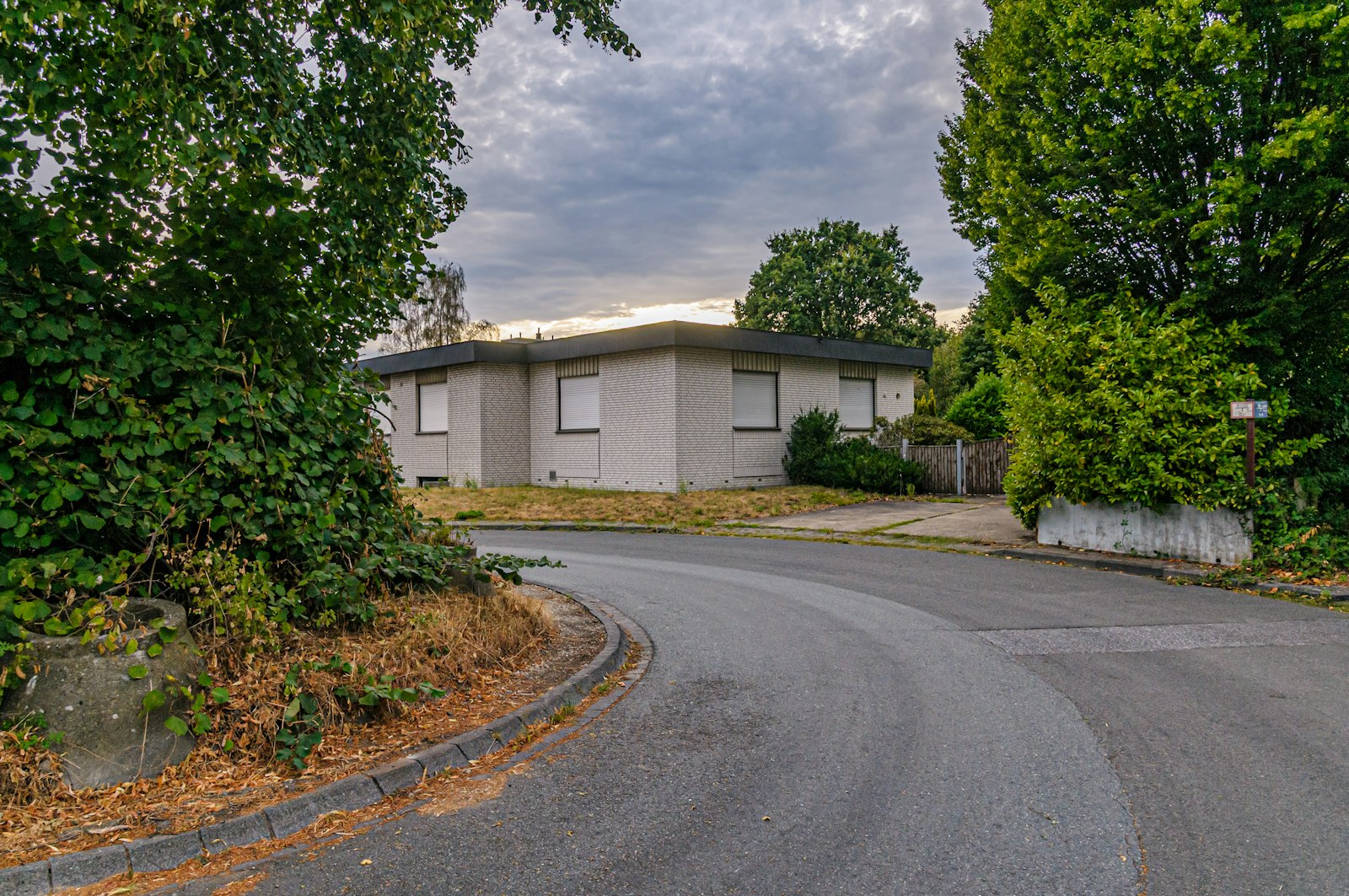
Pier and Beam Repair
Settled pads and tired beams under the older frame houses, put right from underneath rather than from the yard.
Pier and Beam RepairDalworthington Gardens is a small city sitting inside Arlington, laid out in the 1930s with lots far bigger than anything around it. Most of the houses went up between the 1950s and the 1980s, a good number of them over crawl spaces, on ground that has been drying and swelling ever since.
Settled pads and tired beams under the older frame houses, put right from underneath rather than from the yard.
Pier and Beam Repair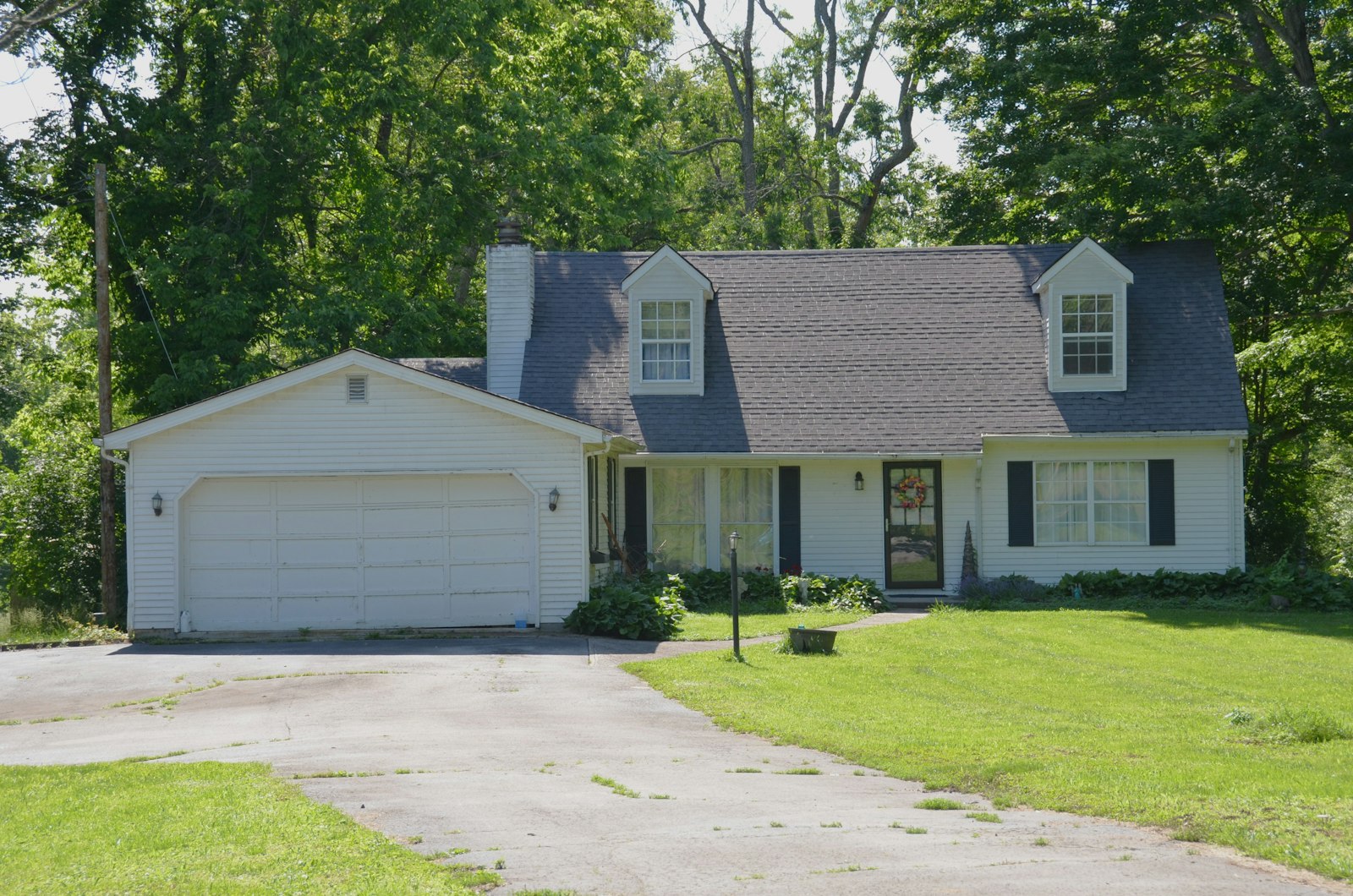
Sagging joists, damp ground and blocked vents under the floor, dealt with before the wood gives out.
Crawl Space Repair
Big lots, big trees and long runs of downspout. Where the water ends up matters more here than almost anywhere.
Drainage and Root BarriersThe thing that makes this small city different from the streets on the other side of Bowen Road is the size of the lots. A house on half an acre or more sits well back from the road, often with mature trees on several sides, a long driveway and a yard that was never graded with a foundation in mind. Water has a lot of ground to cross before it leaves, and roots have a lot of room to travel.
Note the age of the house and whether it is on a slab or a crawl space, because both are well represented here and they are surveyed differently. Also say whether you have a septic field, a pool, a sprinkler system or an outbuilding near the walls, since all four put water into the clay in a pattern the rain never would. Access is usually the easy part on lots this size, which helps when equipment has to reach the perimeter.
Oaks and pecans that have had sixty years to grow can pull the moisture out from under a slab edge through one dry August.
Streets here mix both, sometimes on the same property where an addition was built later. Each part gets measured on its own.
Flat ground, long distances to the street and beds built up against the house keep one side of the clay wet while the rest dries out.
On a house with a crawl space, the first decision is usually how much of the movement is the wood and how much is the ground. A floor that dips in one room is often a pad or a joist and nothing worse. A whole side of the house that has dropped is soil, and that is a support question. The survey settles it before anyone quotes.
Where piers are the answer, ask which type and why, then read our pressed concrete versus steel piers comparison so the quote makes sense. On slab houses here the visible damage is usually cracking, and crack repair explains when sealing is enough and when it is only cosmetic.
Just across Park Row Drive, Pantego has the same era of housing on much smaller lots, which changes the access and the drainage story completely. See the other nearby towns, read how the service works, or check the contact page.
It comes down to how much of the house needs support, what type of pier or pad is used, how deep the crew has to go and how much wood repair a crawl space needs. Ask the provider to survey the floor and walk the outside before giving a figure, with a written scope showing every position. See how piers are installed.
Arlington Foundation Repairs connects callers in Dalworthington Gardens and the rest of the Arlington area with independent foundation repair providers, and crawl space work is common here. Have the address and the age of the house ready, and see the call information page for how calls work.
Availability depends on the provider and the property location; call to check. Foundation movement runs on seasons rather than hours, so there is normally time to arrange it properly instead of rushing someone out the same afternoon.
A gentle dip is rarely an immediate danger, but soft or split joists and a beam that has lost its bearing are worth acting on. What is genuinely dangerous is trying to jack it yourself. Look with a flashlight, photograph what you see and leave the lifting to a crew with proper cribbing. Our crawl space repair page sets out what the work involves.
Repaired, in almost every case. Converting is major construction and it swaps an accessible foundation you can adjust later for one you cannot. A crawl space that is dry, supported and ventilated is a perfectly good foundation. See pier and beam repair for what a proper repair covers.
They change where the moisture comes from. On a big lot the trees are further from the street and closer to the house, irrigation runs longer, and water can sit a long way from any drain. That makes grading, root barriers and soaker hose placement more important than on a small lot. Read how to water a foundation for the dry-season half of it.
When you call, mention the age of the house, any crawl space and where the big trees are.