Floor elevation survey
Readings across the whole floor give the height difference room to room, so movement becomes a set of numbers instead of an opinion.
Before anyone talks about piers, somebody should measure the house. An independent provider should survey the floor, walk the outside, and tell you in plain language what the numbers mean and whether anything needs doing.
A lot of inspections end with "nothing needs doing yet, here is what to watch". That is a useful result, and it is worth having written down with dates and measurements so next year's comparison means something.
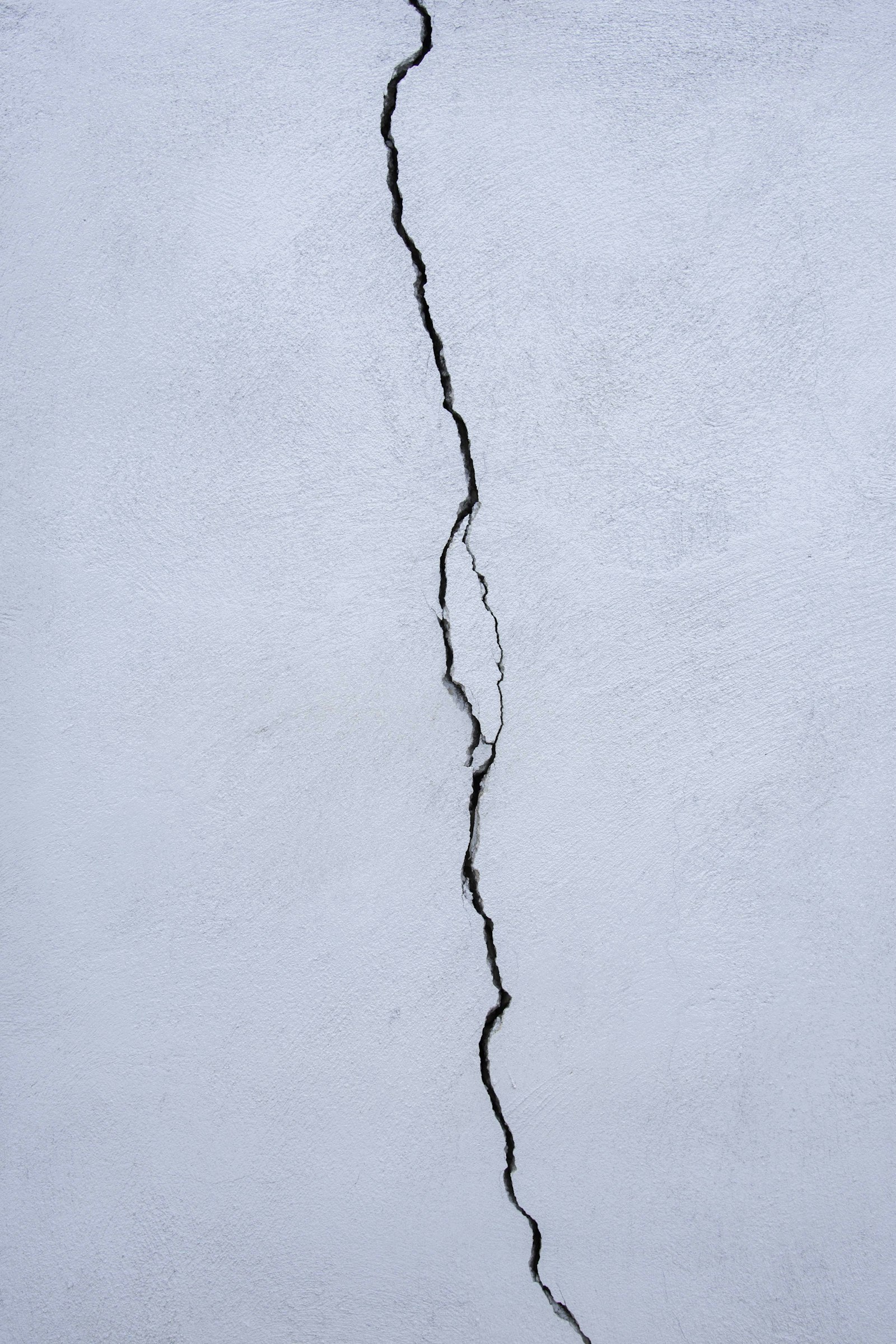
The point is to separate what the house is doing from what it looks like it is doing.
Readings across the whole floor give the height difference room to room, so movement becomes a set of numbers instead of an opinion.
Brick courses, mortar joints, window and door corners, the slab edge and any separation at the trim, recorded elevation by elevation.
Where the ground falls, where downspouts discharge, which beds stay wet and how close the large trees sit to the walls.
What is causing it, whether it is still moving, what your options are and what each one would cost, with no pressure to decide on the spot.
They are different things and both have a place. A repair contractor's inspection tells you what is happening and what the repair would cost. An independent structural engineer works for you rather than for a contractor, and issues a written report that can specify what should be done. Buyers, sellers, lenders and anyone facing a large or unusual job often want that second opinion, and you can ask the provider to work to an engineer's plan where one exists.
If the findings point to repair, the routes are slab repair, crawl space repair or drainage correction, and the pier choice is explained on our concrete versus steel comparison.
Not sure whether to act yet? Read fix now or wait, or look at which cracks actually matter before you book.
Ask when you call, because it varies by the size of the property and what you need out of it. A visit to look at a single-story house and give an opinion is a different job from a documented survey for a sale. Ask the provider for the figure and what you receive before the appointment, so there are no surprises.
Long enough to survey the floor, walk the outside and talk it through with you. Bigger houses and crawl spaces take longer. You should expect to be shown the readings and told what they mean, not handed a one-page quote at the door.
It is worth it if the general home inspection mentioned movement, or if the house is on clay and has visible cracking. Knowing what repair would involve puts a number on the risk before you commit. For an older crawl space property, see pier and beam repair for what is typically found.
Clear access along the outside walls, unlock gates, move anything blocking the crawl space hatch, and make a note of when you first saw each problem. Old photos are genuinely useful. Nothing else needs preparing.
Get the house measured before anyone quotes you for piers.