
Slab Foundation Repair
Most Arlington houses sit on a concrete slab. When one part of it drops, the walls above it show it first.
Slab Foundation RepairDoors that stick, stair-step cracks in the brick and floors that slope usually come back to the clay under the house moving. Arlington Foundation Repairs connects you with independent foundation repair providers. Availability varies by provider.
Most Arlington houses sit on a concrete slab. When one part of it drops, the walls above it show it first.
Slab Foundation Repair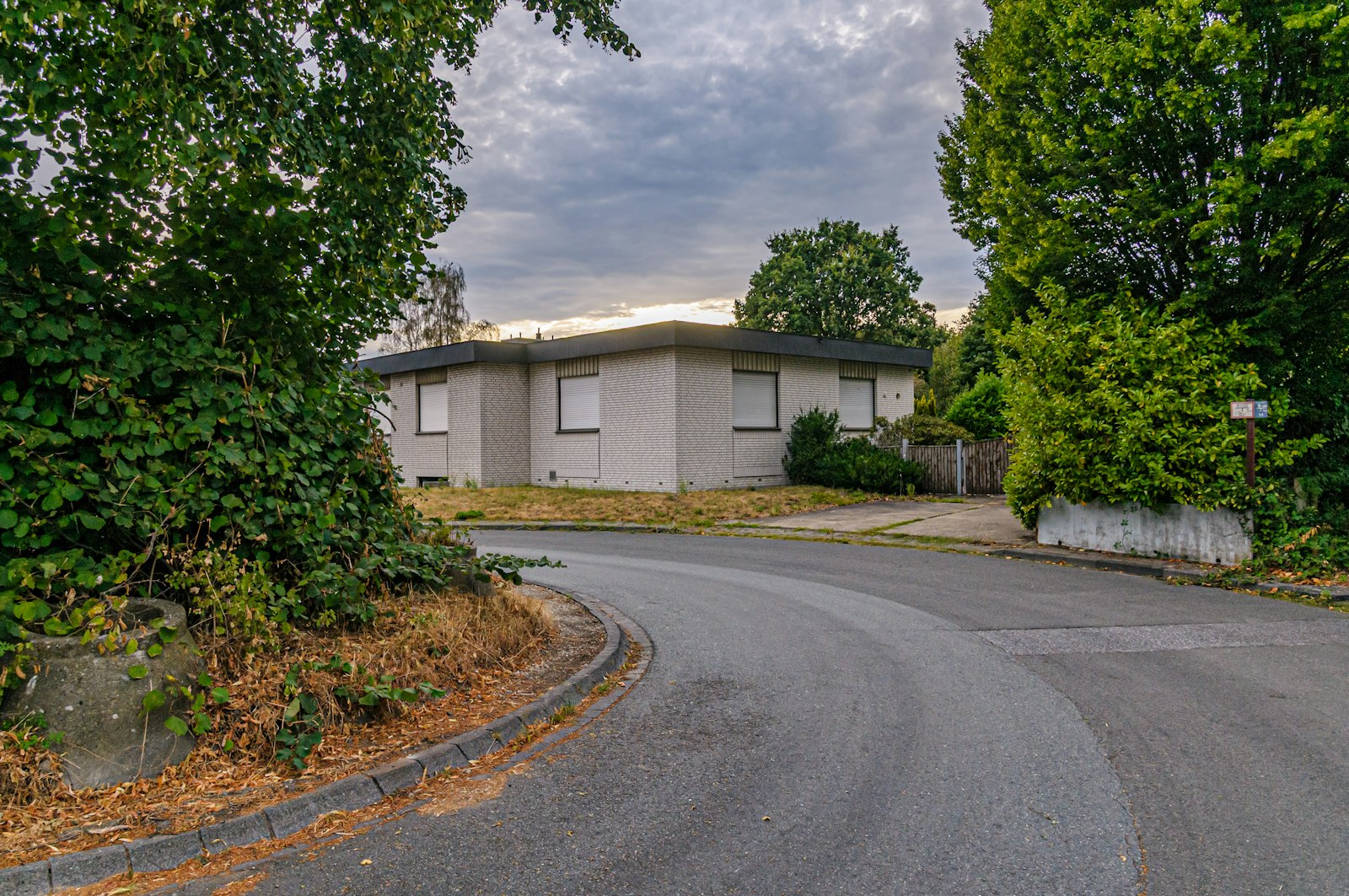
Older houses near downtown and east Arlington often have a crawl space, wooden beams and pads that settle.
Pier and Beam Repair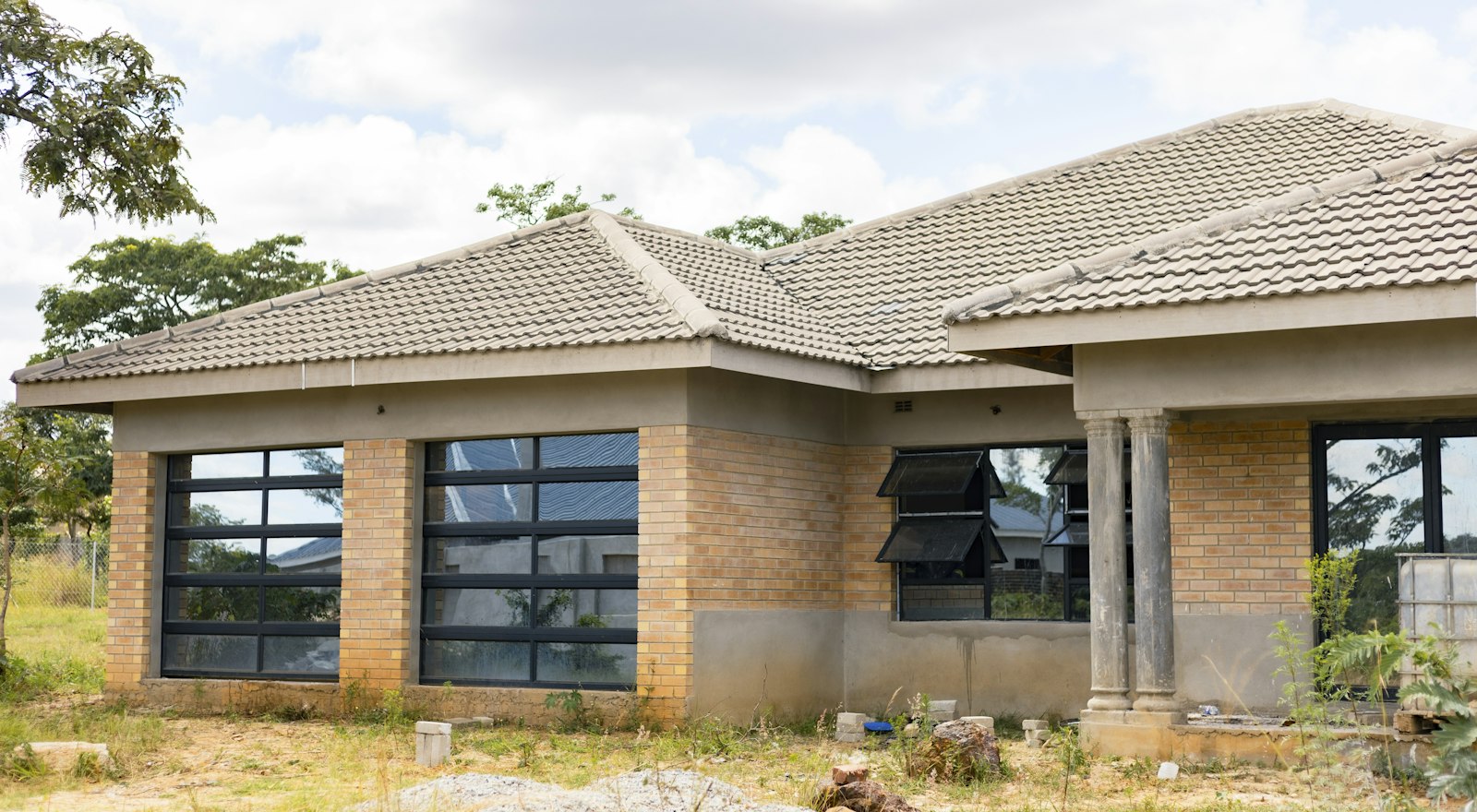
Leveling brings a settled section back toward where it started, as far as the house will safely allow.
Foundation Leveling
Piers carry the weight of the house down to stable soil so the slab stops riding the clay.
Foundation Piers
Water that sits against the slab and big trees drinking from under it are two causes worth fixing.
Drainage and Root Barriers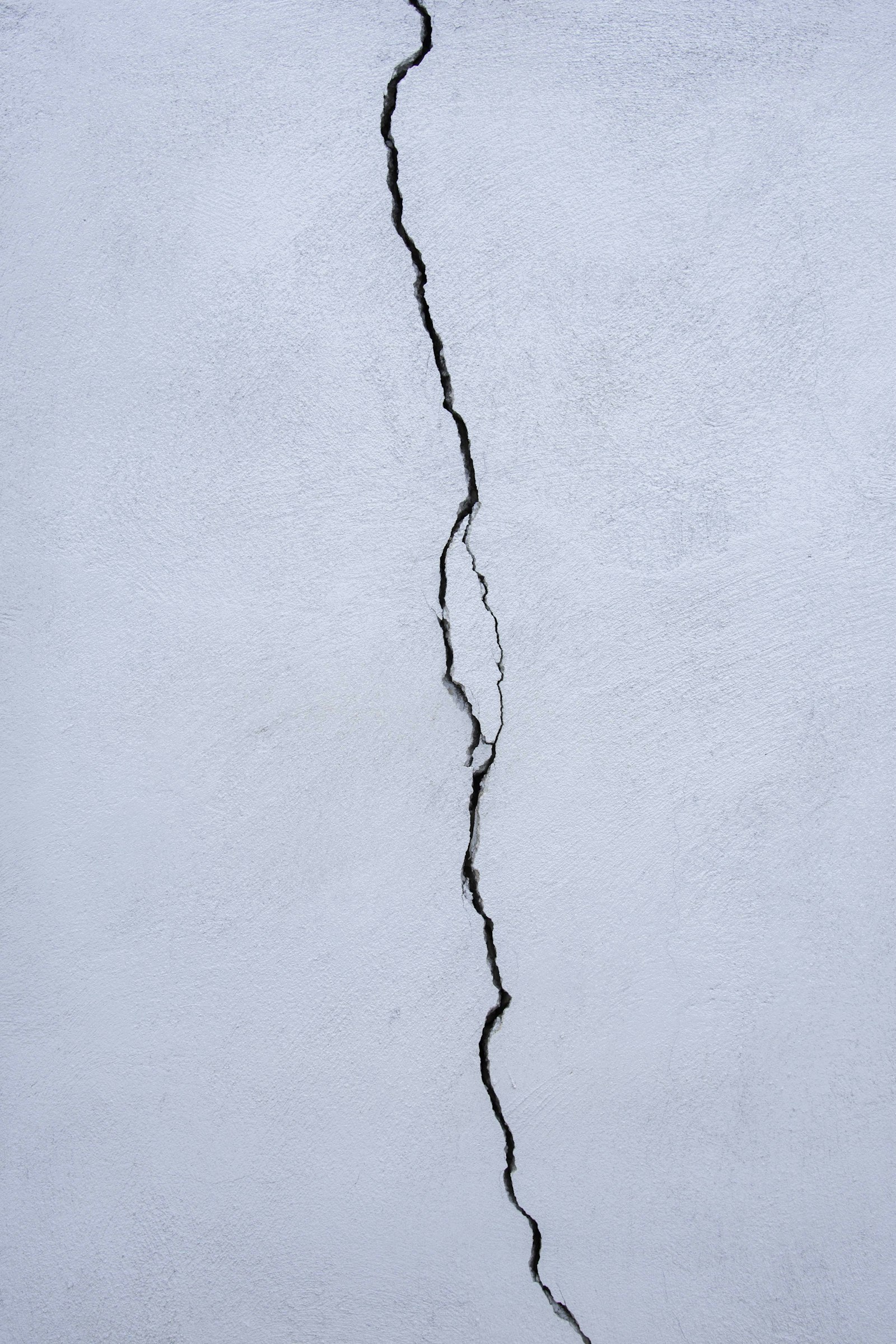
A measured inspection tells you how much the floor has moved and whether it needs anything yet.
Foundation Inspection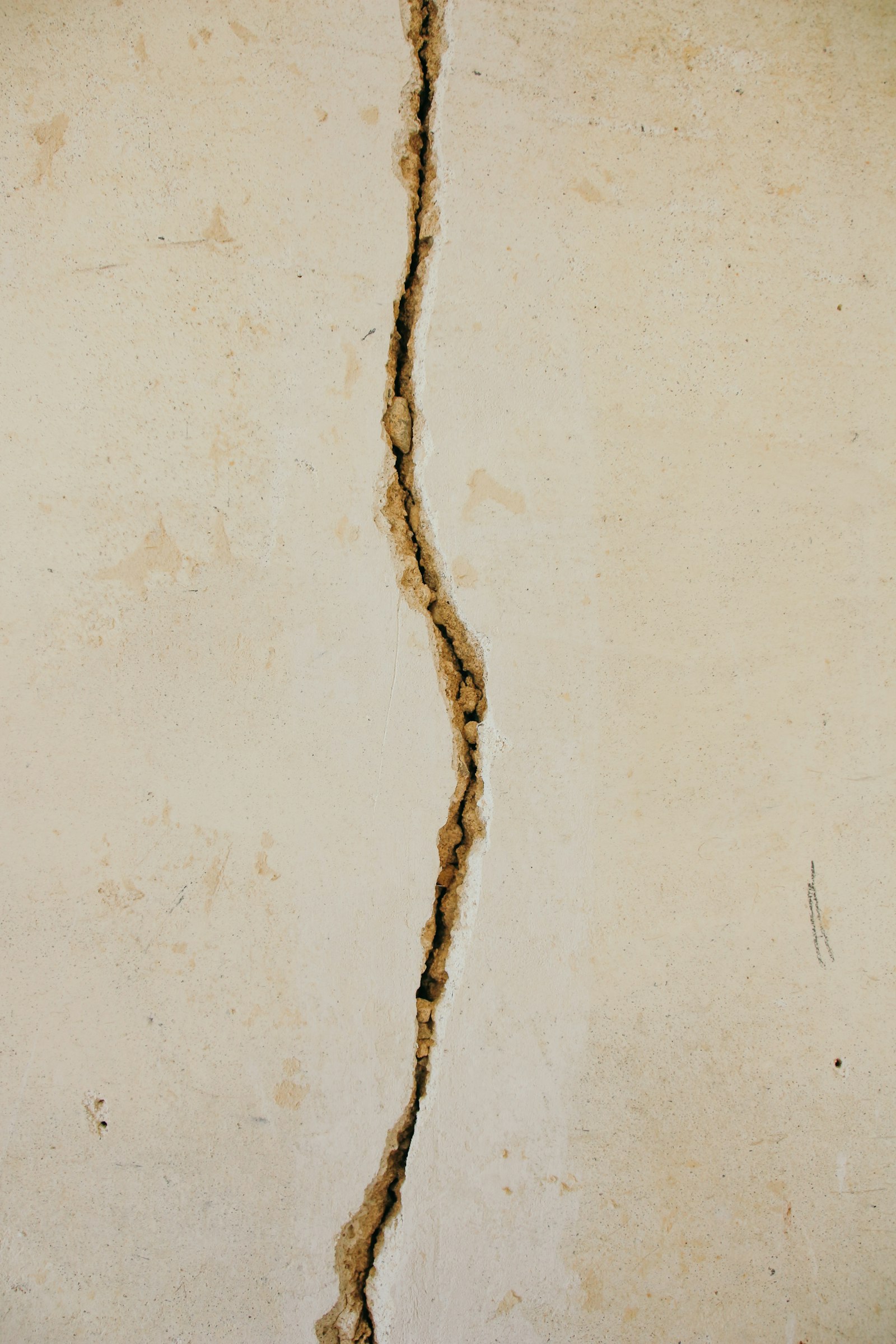
Reading a crack before filling it tells you whether it needs sealing, watching or real structural support.
Foundation Crack Repair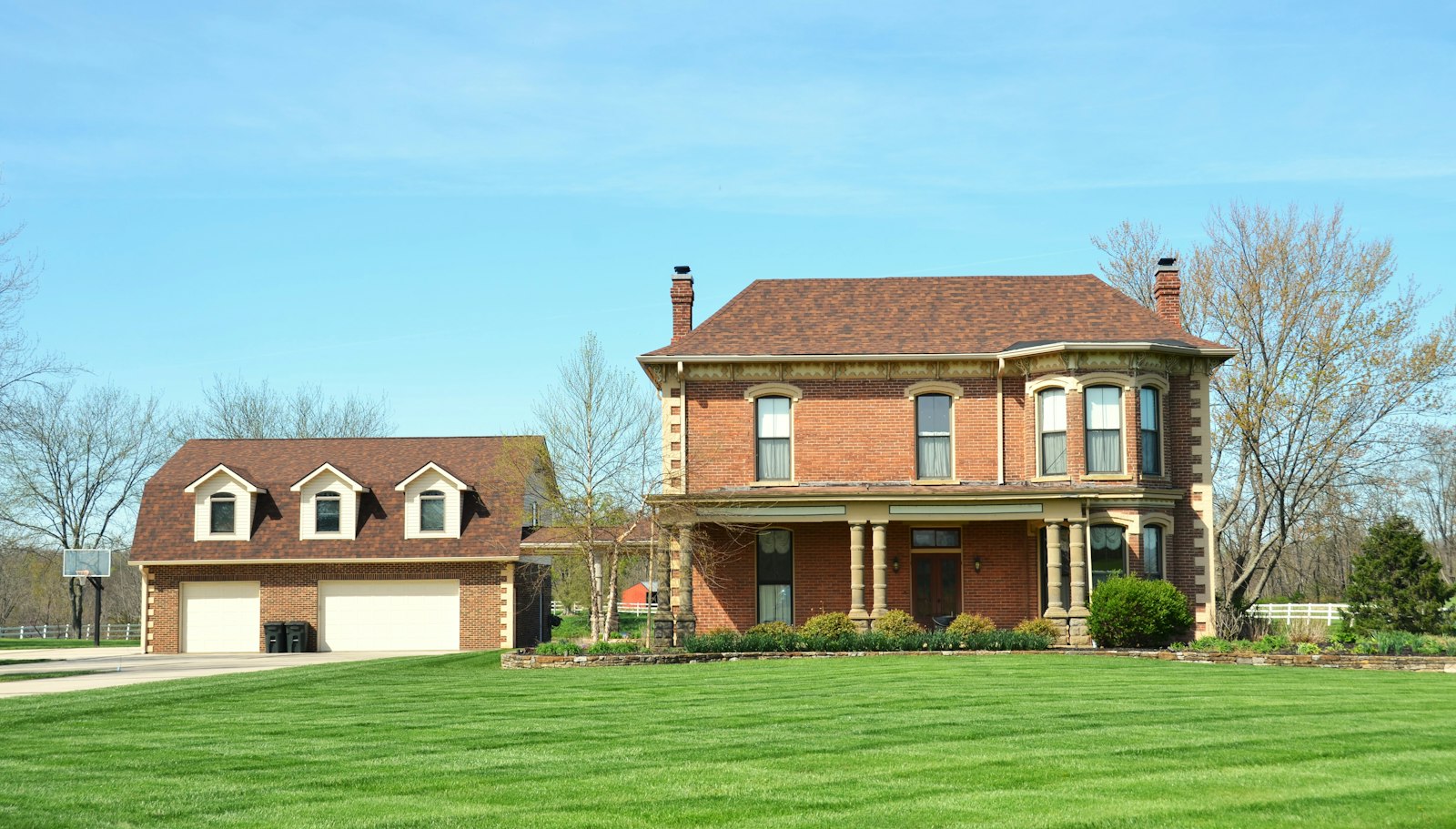
Sagging joists, damp ground and blocked vents under an older house, sorted out before the wood gives way.
Crawl Space Repair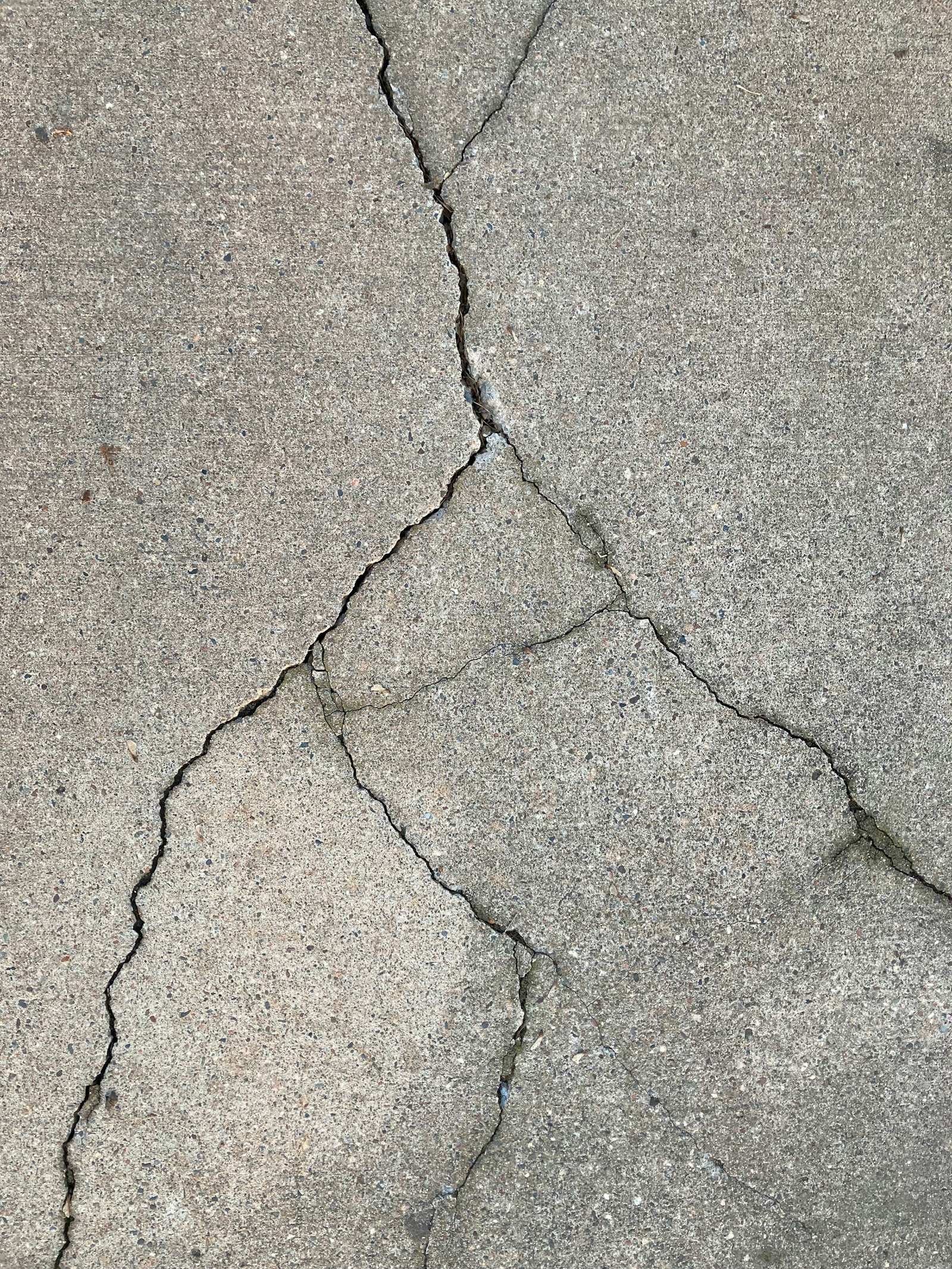
Shops, offices and small industrial buildings move too, and the work has to fit around trading hours.
Commercial FoundationsThe floor is surveyed so the height difference across the house is a number you can see, and the outside of the house is walked for cracks, gaps and where water goes.
An independent provider should explain what the readings show, what is causing it and whether anything needs doing now. Sometimes the honest answer is to watch it for a season.
If work is recommended, ask that the quote state where piers go, how many, what type and any warranty terms, before you decide anything.
Most of Arlington sits on Eagle Ford and Blackland clay, with sandier Woodbine soils showing up in parts of the north of the city. Clay swells when it rains and shrinks in a dry Texas summer, and a slab poured in the 1960s has been riding that up-and-down cycle for decades. Add a mature post oak close to the house or a downspout dumping at one corner and the movement stops being even.
A door that used to close and now catches at the top corner is the frame being pushed out of square. It is one of the earliest signs people notice, and it usually starts in the driest part of summer.
What to look for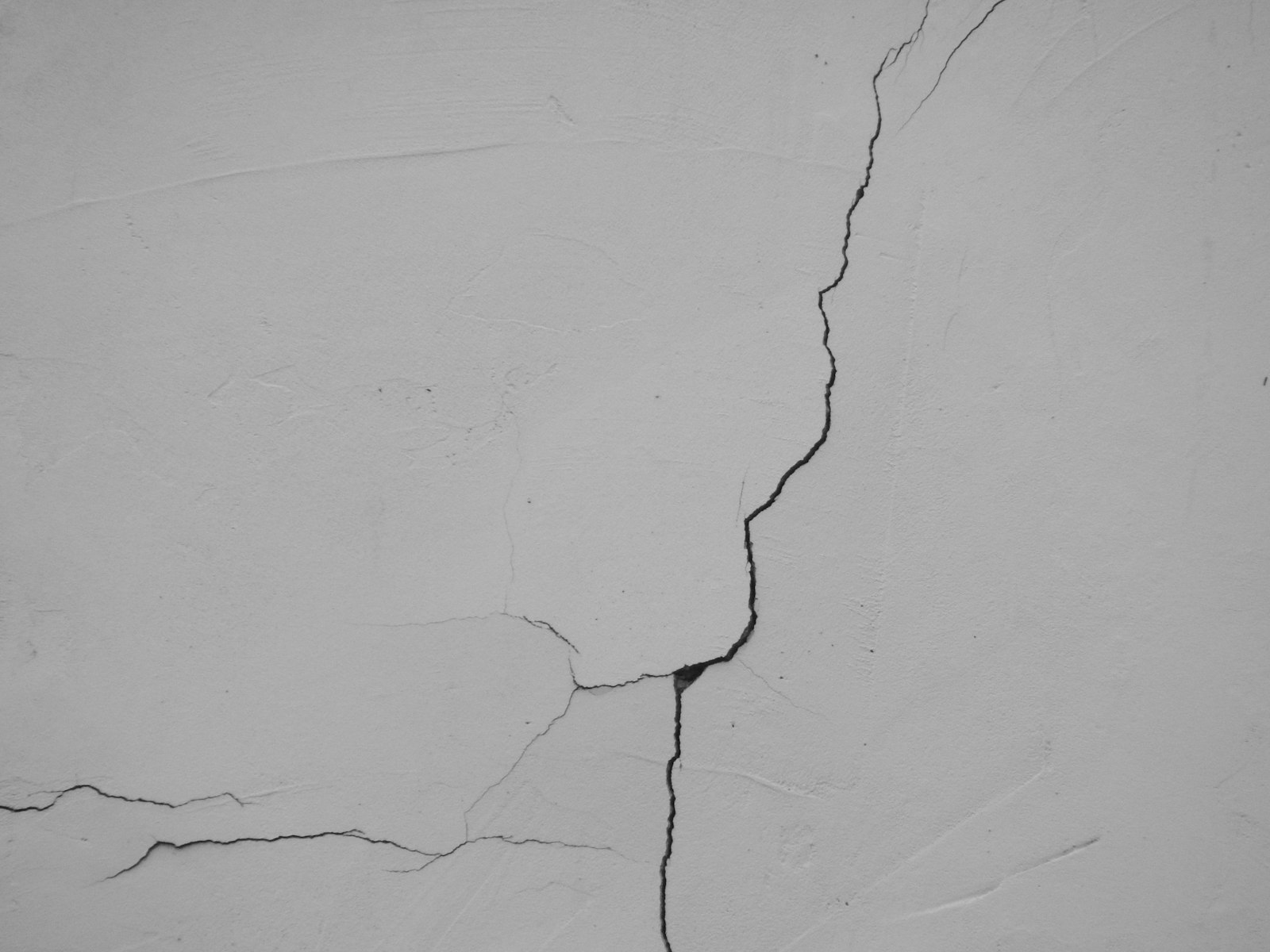
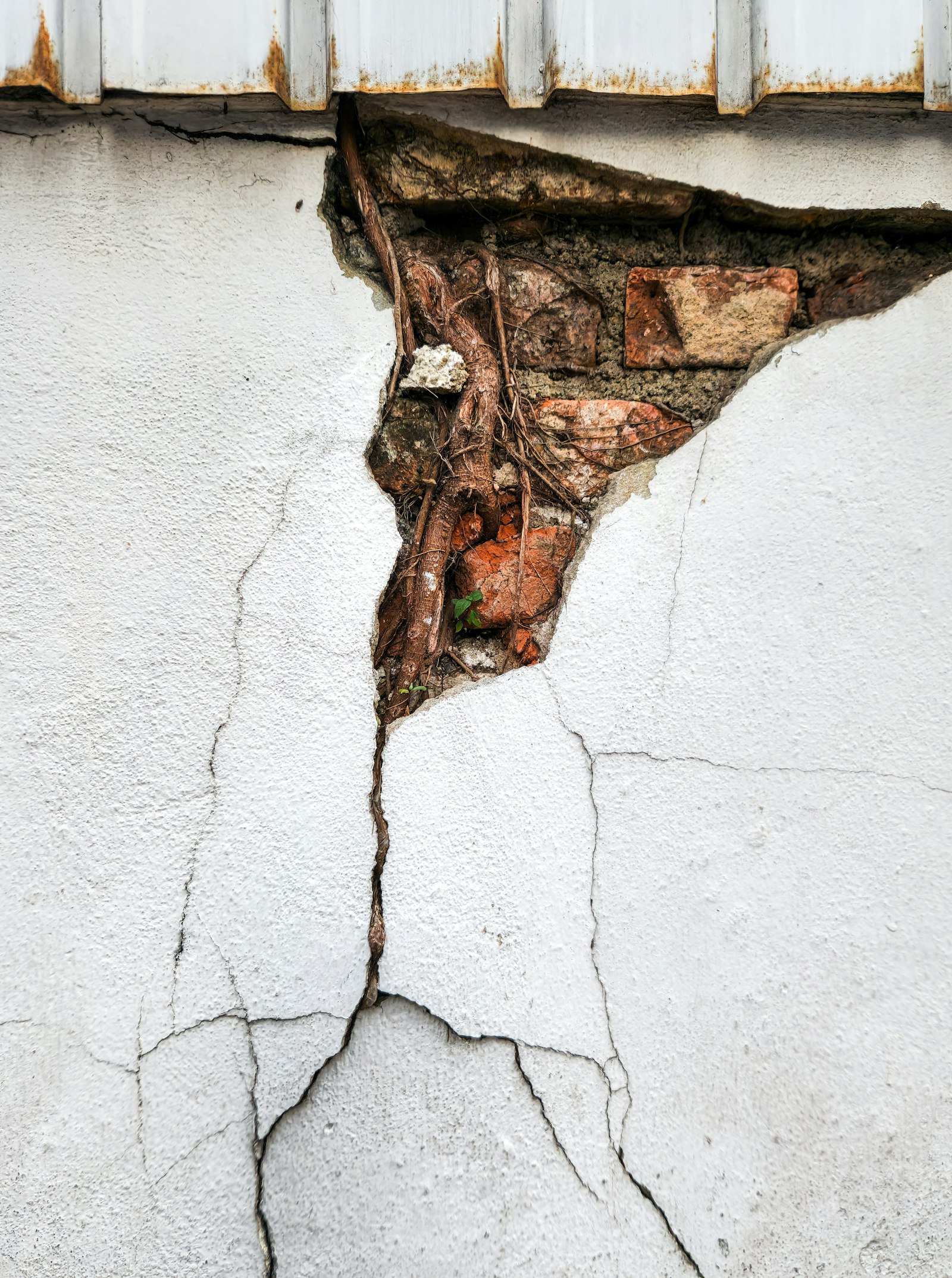
Stair-step cracks following the mortar joints, or a crack running up from a window corner, tell you the wall is being stretched. Width and direction matter more than length.
Which cracks matter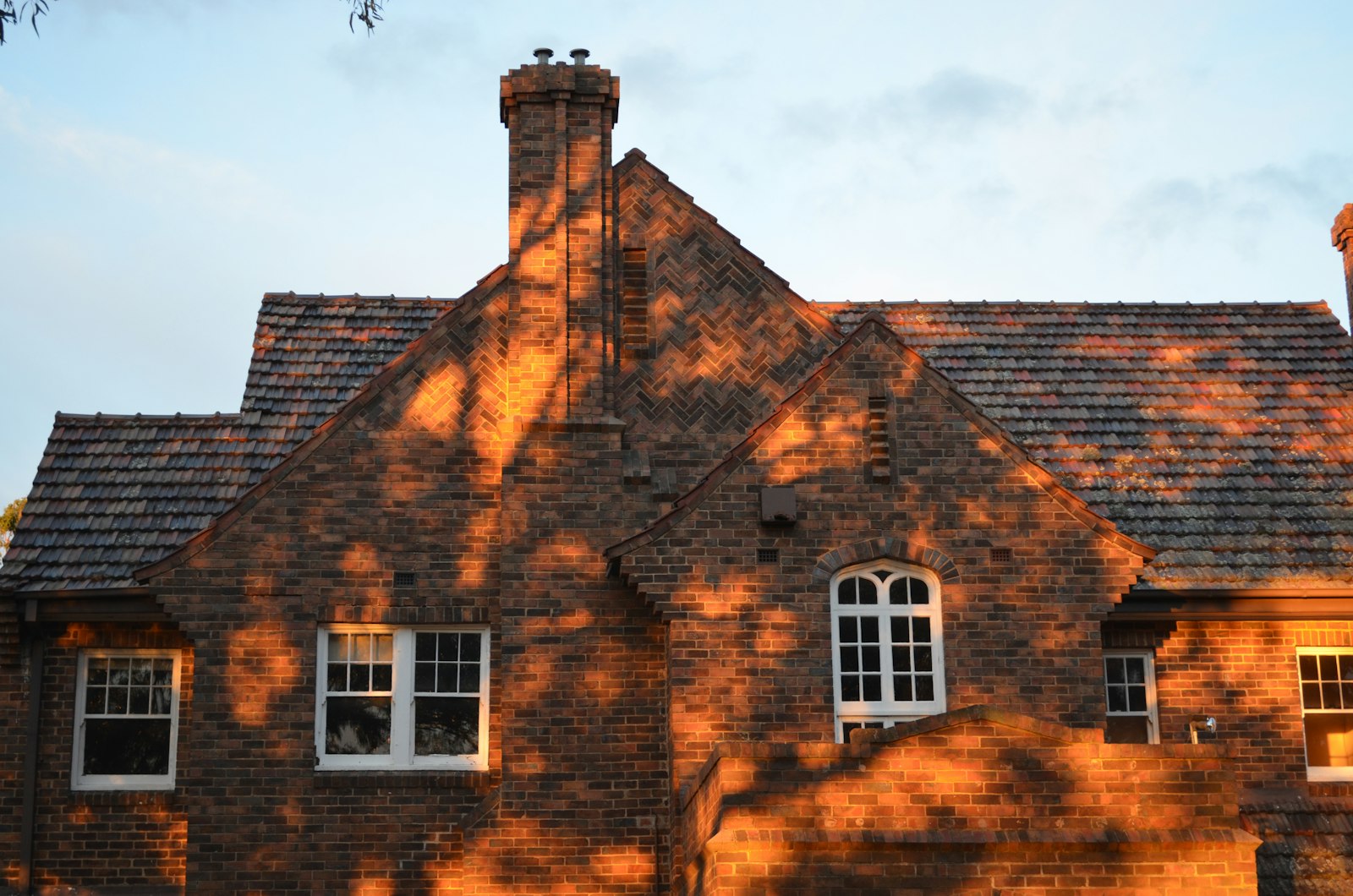
A marble that always rolls the same way, or a floor that gives underfoot in one room, points at the structure rather than the flooring. On a crawl space it is often a settled pad or a sagging beam.
Crawl space repairSeparation where the brick meets a window frame, or a gap opening under the garage trim, shows one corner has dropped away from the rest. Caulk hides it without changing it.
Get it measured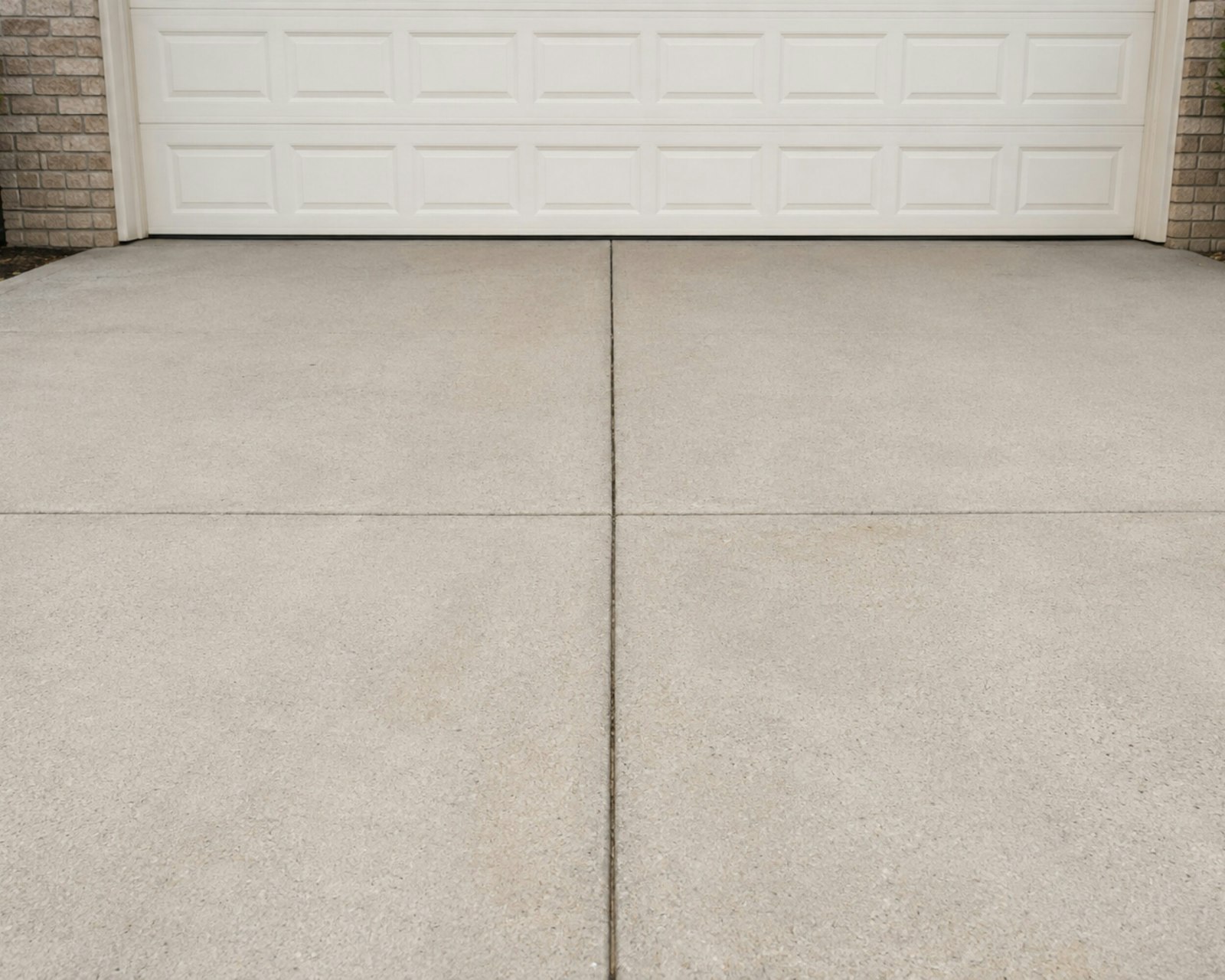
Flowerbeds holding water, a flat yard that drains toward the house or a downspout emptying at the corner keep one edge of the clay wet while the rest dries out. That difference is what does the damage.
Fix the drainage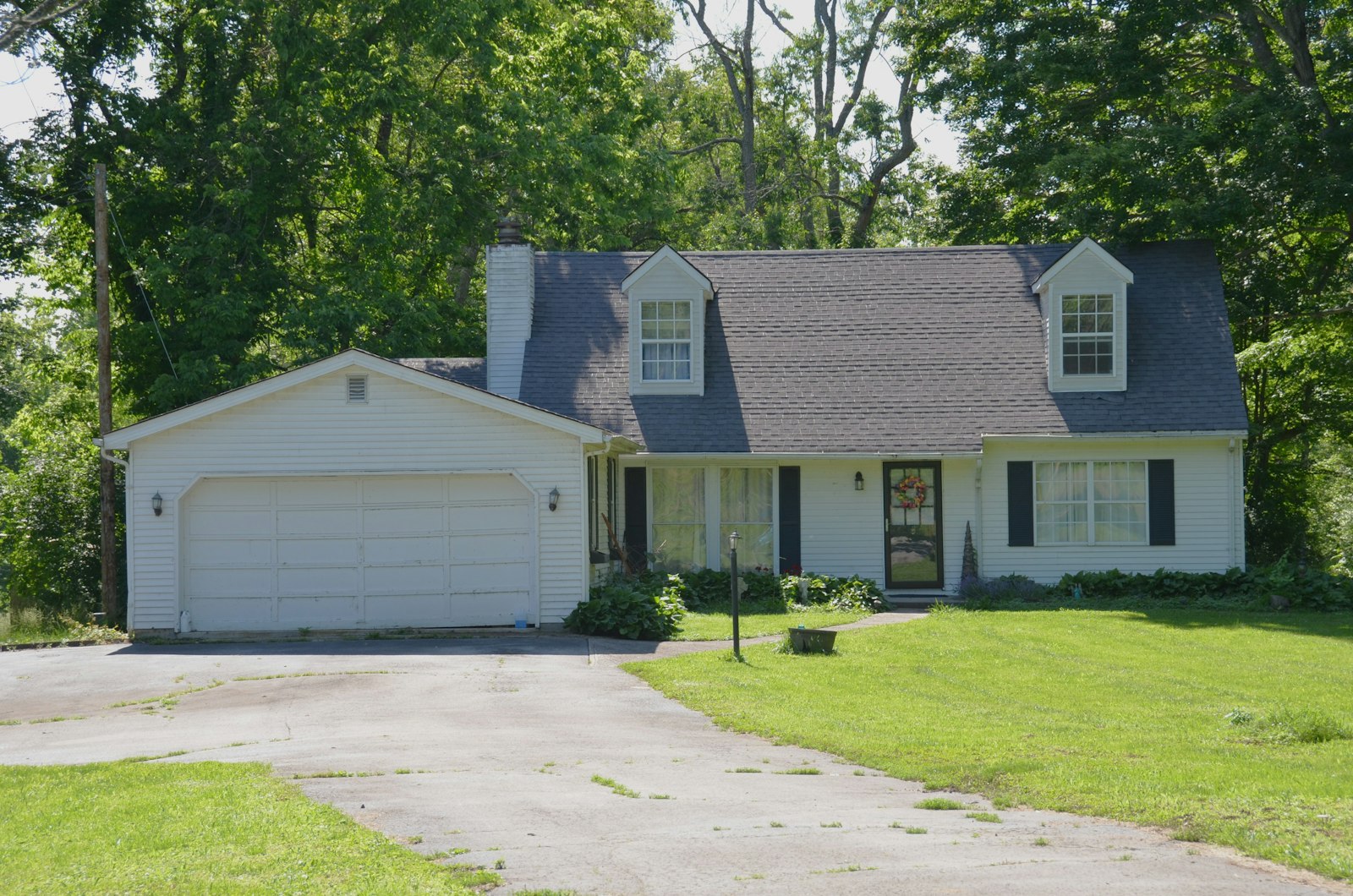
An inspection report that mentions foundation movement stalls a lot of deals. A measured evaluation, and where appropriate an independent structural engineer's report, tells both sides what is really there.
Fix now or wait?Describe the cracks, the sticking doors or the sloping floor, and roughly when you first noticed them. Photos of the outside walls help a lot.
If a provider is available, they confirm the address and a time and ask for clear access to the outside walls, the crawl space hatch if there is one and any room with visible damage.
Ask for the floor measurements, the likely cause and a written scope. If piers are recommended, the quote should say where they go, how many and what type.
Access points are backfilled and the site cleaned up, and you walk the house with the crew to see the finished levels and what to watch afterward.
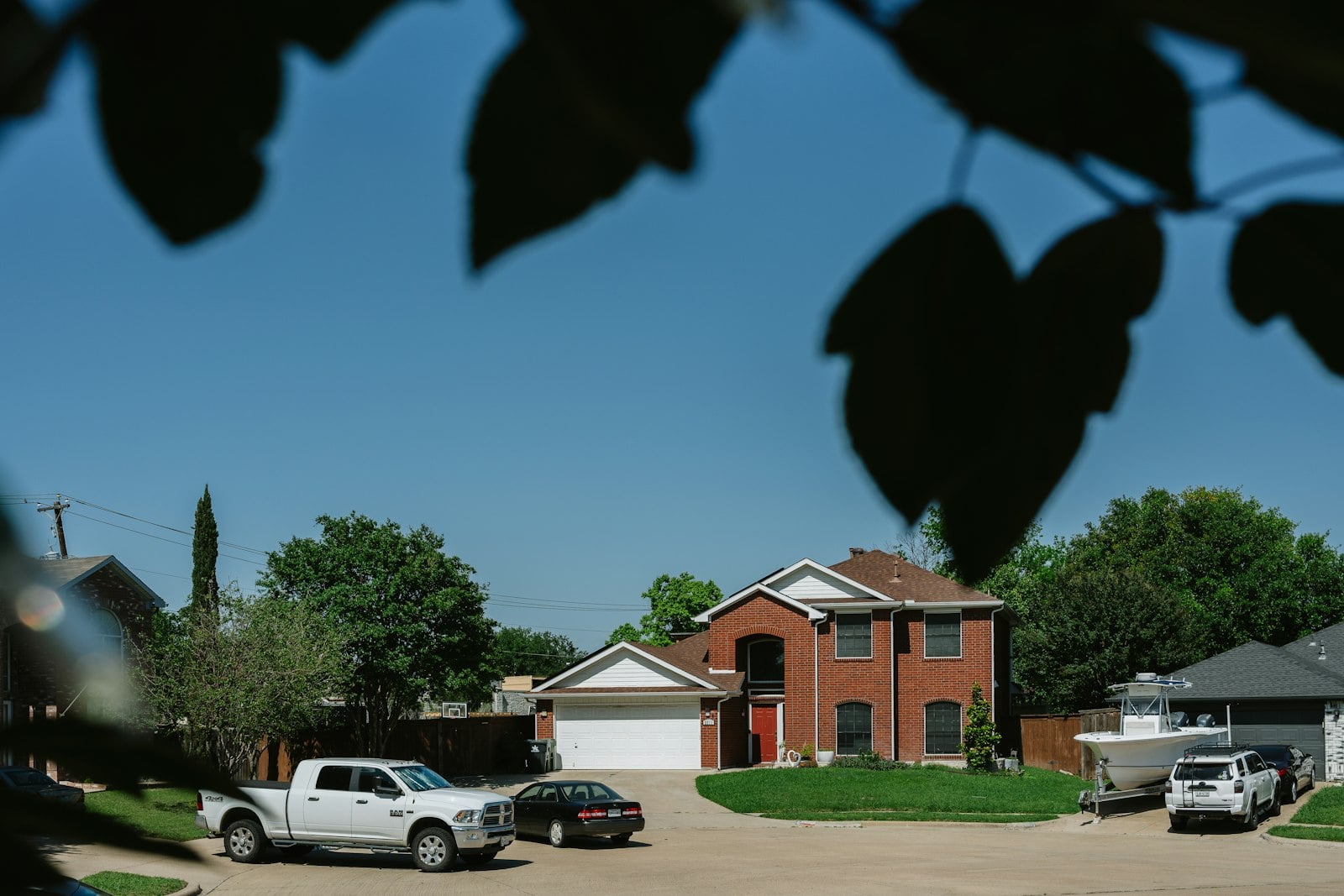
A long city with very different housing at each end, from post-war streets near Main Street to new subdivisions out toward Joe Pool Lake.
View Grand Prairie serviceMostly newer slabs on heavy clay, where young trees and settling yards change how water sits around a house.
View Mansfield serviceBigger lots, older frame houses on pier and beam and newer slab streets sitting side by side near Village Creek.
View Kennedale serviceA small town surrounded by Arlington, built almost entirely in the 1960s and 70s with mature trees close to the houses.
View Pantego serviceMid-cities slabs from the 1960s through the 1990s, with plenty of split-level and back-to-front lots near the airport.
View Euless serviceEstablished 1970s and 80s neighborhoods where the trees planted with the houses are now big enough to dry out the clay.
View Bedford serviceRolling ground and 1960s to 80s slabs, where a house partly cut into a slope can move differently front to back.
View Hurst serviceA small city inside Arlington with unusually large lots, older crawl space homes and trees that have had decades to grow.
View Dalworthington Gardens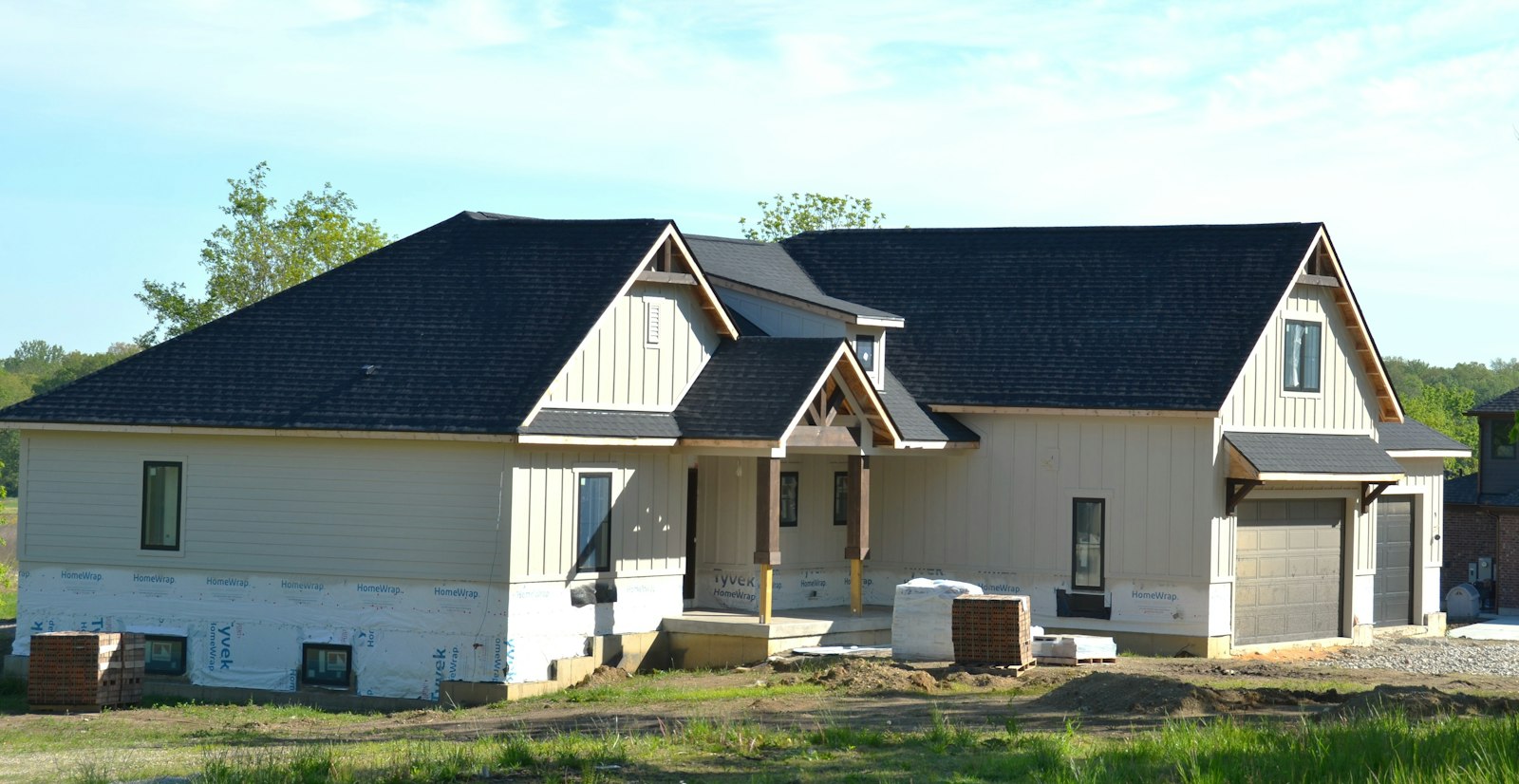
Hilly ground on the escarpment, with shallow limestone on the ridges and clay in the pockets between them.
View Cedar Hill serviceThere is no useful single figure, because the price is driven by how many support points the house needs, which pier type is used, how deep they have to be driven and how easy the access is. Ask the independent provider to survey the floor and walk the outside first, then put a scope and a price in writing before you decide anything. See what slab repair involves.
Usually a door that has started catching at one corner, stair-step cracks in the brick, gaps opening where trim meets the wall, or a floor that has begun to slope. Most people notice one of these in late summer when the clay is at its driest. Read the warning signs guide.
Neither is better in the abstract. Pressed concrete cylinders are the usual choice for typical residential slabs on ordinary lots, and steel is chosen where the crew has to drive deeper through fill or where the load at each point is higher. The right question is why that type, on your lot. Compare the two side by side.
Arlington Foundation Repairs connects callers in Arlington and the towns around it, including Grand Prairie, Mansfield, Kennedale, Pantego, Euless, Bedford and Hurst, with independent providers for houses and commercial buildings. Availability depends on the provider and the property location. See the full coverage list.
Not for every job, but it is worth considering for a large or unusual repair, or when you are buying or selling. An independent structural engineer works for you rather than for a contractor and can specify what should be done. Ask whether the independent provider will work to an engineer's plan. See how inspections and engineer reports differ.
Yes, and it is the cheapest thing you can do. A soaker hose about a foot out from the slab, run little and often through the dry months, keeps the clay from shrinking away unevenly. Do not soak one side or aim water into an open crack in the ground. Read the watering guide.
Most residential perimeter jobs are measured in days rather than weeks, but interior piers reached by tunneling, crawl space wood repairs and drainage work all extend it. Ask the provider for a realistic window after the survey rather than a number on the phone. See how the process runs.
Width, direction and change matter more than length. Stair-step cracks in brick that are wider at one end, diagonal cracks from door and window corners, and any crack that keeps reopening after being patched deserve attention. Hairline crazing in plaster usually does not. Read how to tell them apart.
No, and that is generally good news. A house over a crawl space is adjusted from underneath with shims, resets and new support points, which is usually less disruptive than slab work. Rotted beams and joists get dealt with at the same time. See what crawl space repair involves.
If the house is still close to level and the trouble is water sitting against one side, correcting the drainage can be the whole answer and it costs far less than piers. If a section has already dropped, drainage stops the cause but will not lift it back. See what drainage correction covers.
Call and describe what the house is doing and when it started to be connected with an independent provider.