
Slab Foundation Repair
Almost everything built here since the 1980s is slab-on-grade, much of it on pads cut and filled to level a sloping lot.
Slab Foundation RepairCedar Hill sits up on the escarpment southeast of Arlington, and the ground genuinely rises and falls here, which is unusual for this part of Texas. Limestone comes close to the surface on the ridges while clay collects in the pockets between, so two houses a street apart can behave completely differently.
Almost everything built here since the 1980s is slab-on-grade, much of it on pads cut and filled to level a sloping lot.
Slab Foundation Repair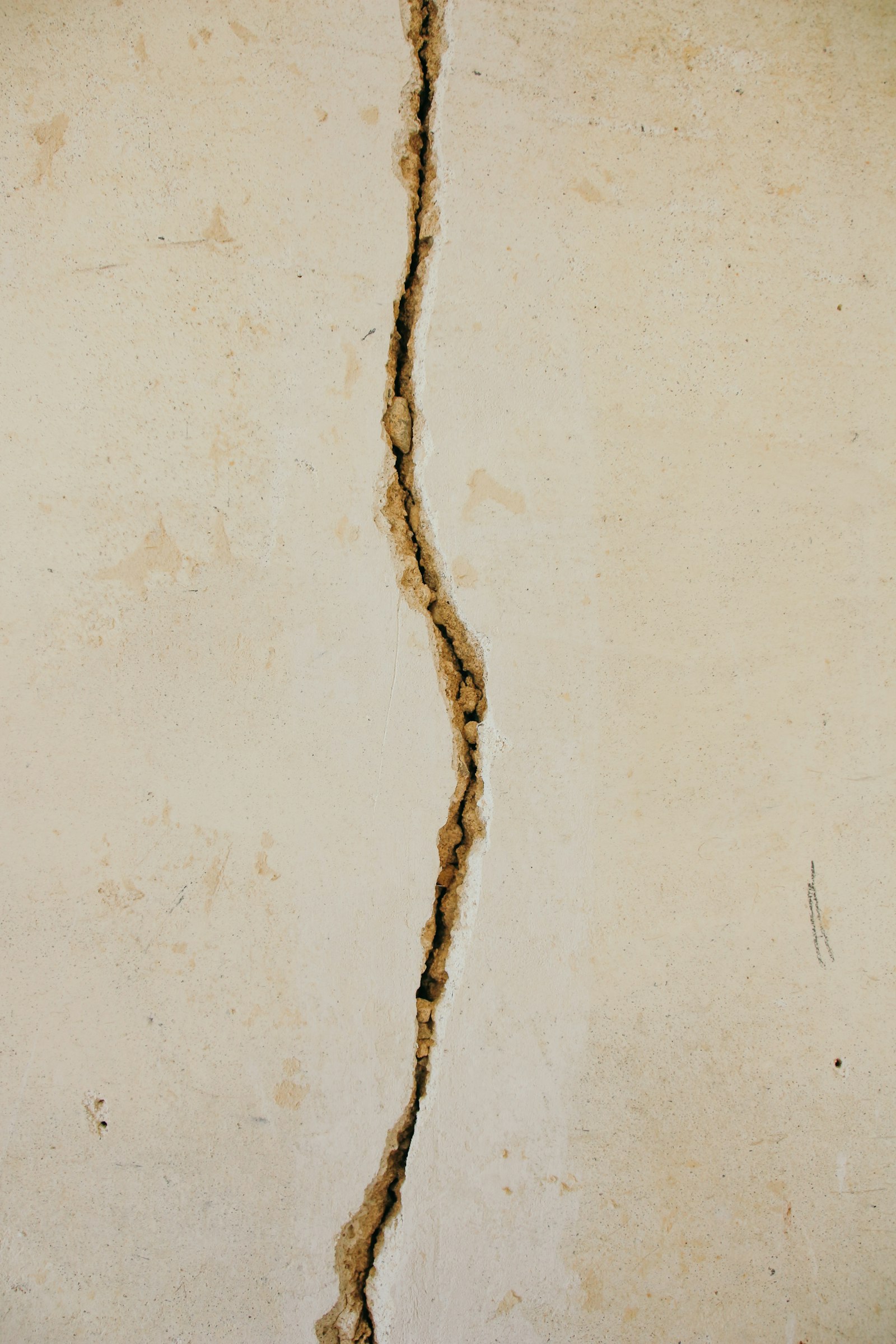
Reading the cracks before anyone fills them, so you know whether you are sealing or supporting.
Foundation Crack Repair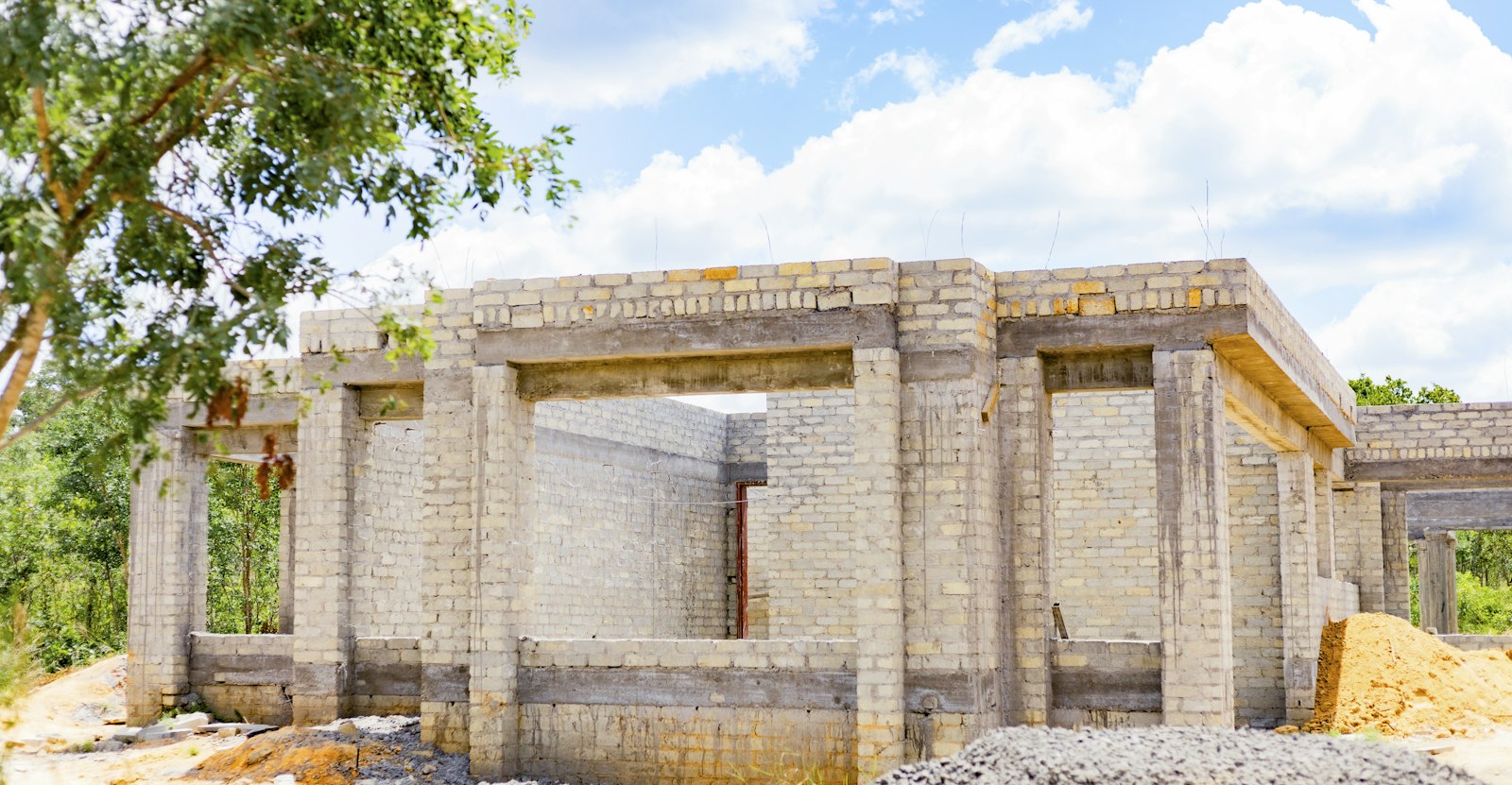
Where rock is shallow the pier plan changes, and depth has to be worked out position by position rather than assumed.
Foundation PiersTerrain is the local story. Streets climb and drop between the ridge and the lower ground near Joe Pool Lake, and a lot of the subdivisions built from the 1980s through the 2010s sit on pads where soil was cut from the high side and filled on the low side. Compacted fill and undisturbed ground do not settle at the same rate, so movement often shows up along the line between them rather than evenly around the house.
The other half of it is what is underneath. Where limestone is shallow, a pier reaches refusal quickly and the house is well supported. A few hundred feet away the same crew can be driving through several feet of clay before finding anything to bear on. That is why depth is quoted as a plan rather than a promise, and why the survey and the first pier positions tell you a great deal about the rest of the job.
Water arriving from the high side of a lot has to be intercepted and routed past the house, not dammed by a flowerbed against the wall.
One half of the house on original ground and the other on engineered fill is a common pattern on hillside streets, and it settles unevenly.
Shallow limestone on the ridges, deeper clay in the pockets between. Pier depth is decided on the day, position by position.
On a younger house the first question is usually whether repair is justified at all. A house built in 2003 that has moved half an inch at one corner after a drought summer may need drainage and watering rather than piers, and a survey that shows the floor is close to level is worth paying for on its own. Where the movement is real, the slope means the fix normally comes in two parts: support the structure, then take the water somewhere sensible so it does not happen again.
If the quote calls for piers, ask how depth will be handled where rock appears early and what happens if it does not appear at all. Our pressed concrete versus steel piers comparison covers how each type behaves in those conditions, and drainage and root barriers covers the runoff side. Before either, the fix now or wait guide is worth ten minutes.
West of here, Mansfield has similar-age housing on flatter ground and heavier clay, which makes a useful comparison. See the other nearby towns or check the contact page.
The drivers are how many piers the house needs, which type, how deep they go and how the slope affects access for equipment. Depth varies more here than on flat ground, so the quote should say how it is handled either way. Ask the provider to measure the floor and walk the lot before pricing. See how piers are installed.
Arlington Foundation Repairs connects callers in Cedar Hill, including the hillside subdivisions and the older streets near the town center, with independent foundation repair providers. Have the address and the age of the house ready, and see the call information page for how calls work.
Availability depends on the provider and the property location; call to check. There is normally no need to rush it, because foundation movement happens over seasons, and a survey taken calmly is more use than one squeezed in at the end of a day.
Cracking on its own is rarely a safety issue. What deserves attention is a retaining wall leaning, a brick wall bulging, or a floor that has dropped enough to open gaps at the trim. Do not dig alongside the slab or undercut a slope to investigate, because that can make matters worse and utility lines run close to the house. Have it measured instead.
Sometimes, yes. Age is not what causes movement here, moisture is, and a young house on a filled pad with poor drainage can move more than a well-drained older one. It also cuts the other way: plenty of newer houses are showing normal seasonal cracking that needs nothing at all. That is what the survey is for. Read which cracks matter.
The repair methods are the same, but the plan around them is not. On a slope the crew has to account for where runoff arrives, how the fill under the pad was compacted and how equipment reaches the low side of the house. Grading and drains often do as much good as the piers. Our drainage page explains how the water side is handled.
When you call, mention when the house was built and which way the lot falls.