Slab Foundation Repair
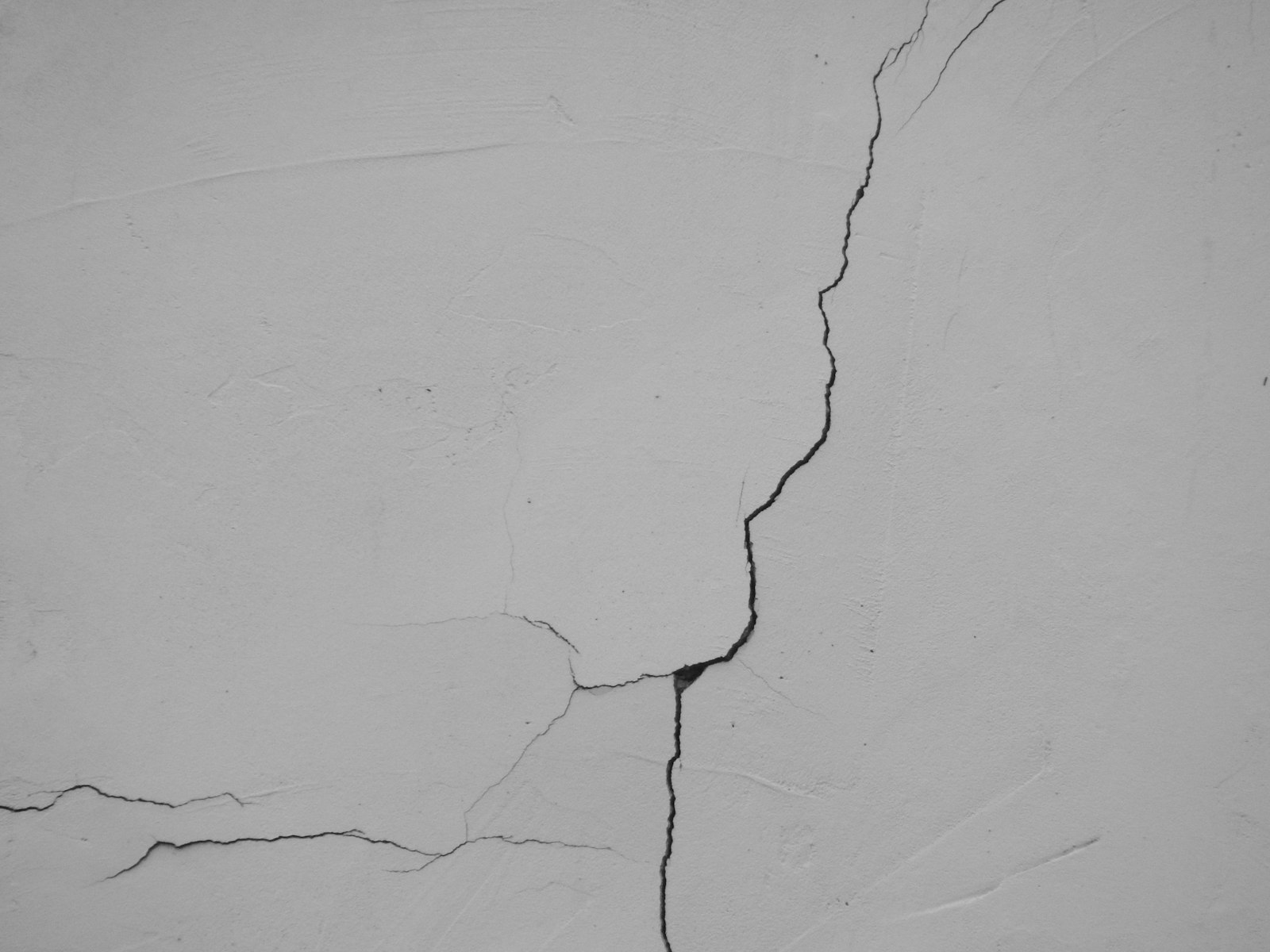
Early slabs from the 1960s and 70s, often thinner and less reinforced than what gets poured today.
Slab Foundation RepairPantego is barely a square mile, wrapped on all sides by Arlington, and most of it went up in the 1960s and 70s. Those slabs have been through sixty summers of clay shrinking and swelling, and the trees planted with them are now very large.
Early slabs from the 1960s and 70s, often thinner and less reinforced than what gets poured today.
Slab Foundation Repair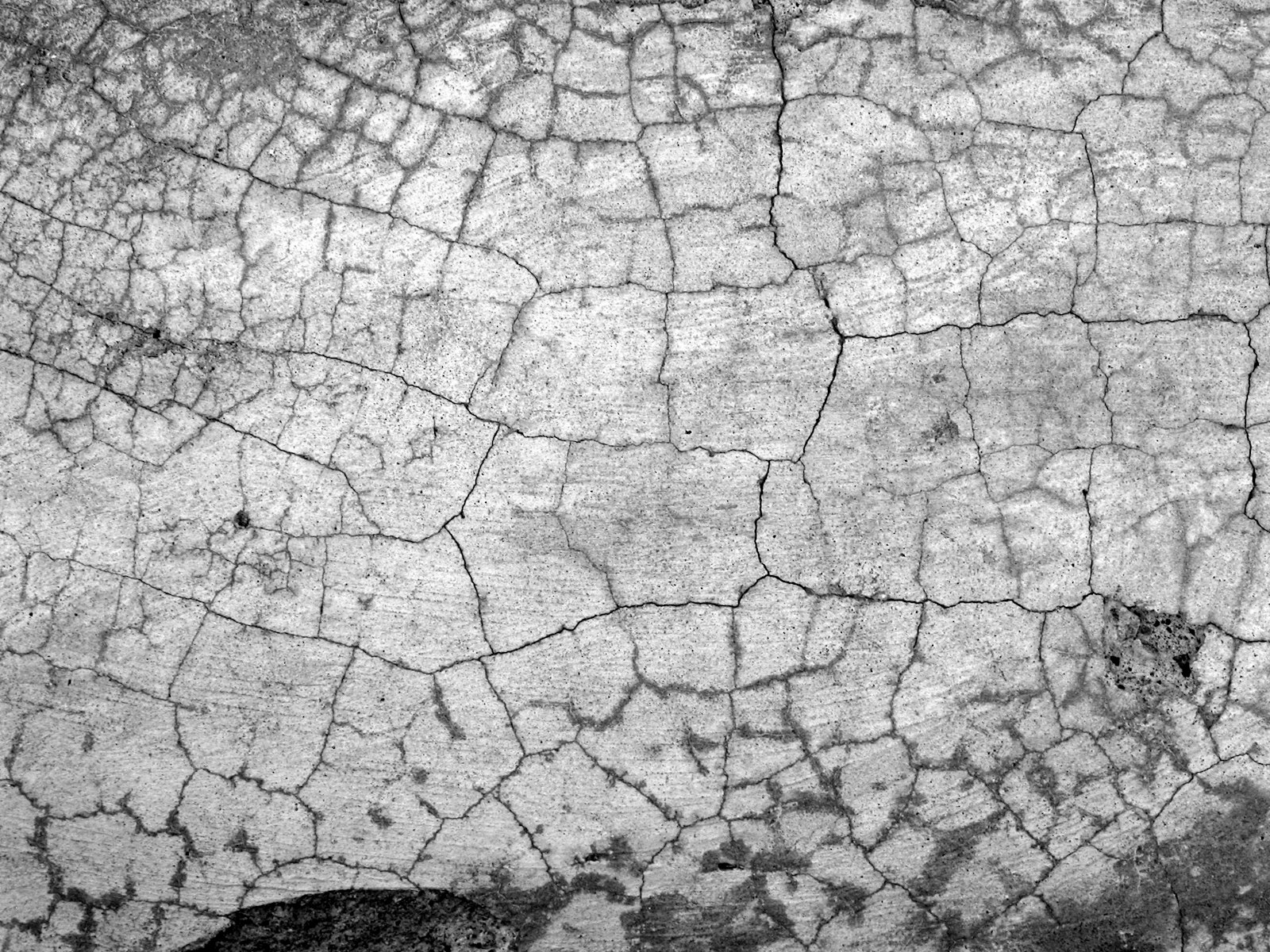
Mature trees close to the walls are the single most common cause on this era of housing.
Drainage and Root Barriers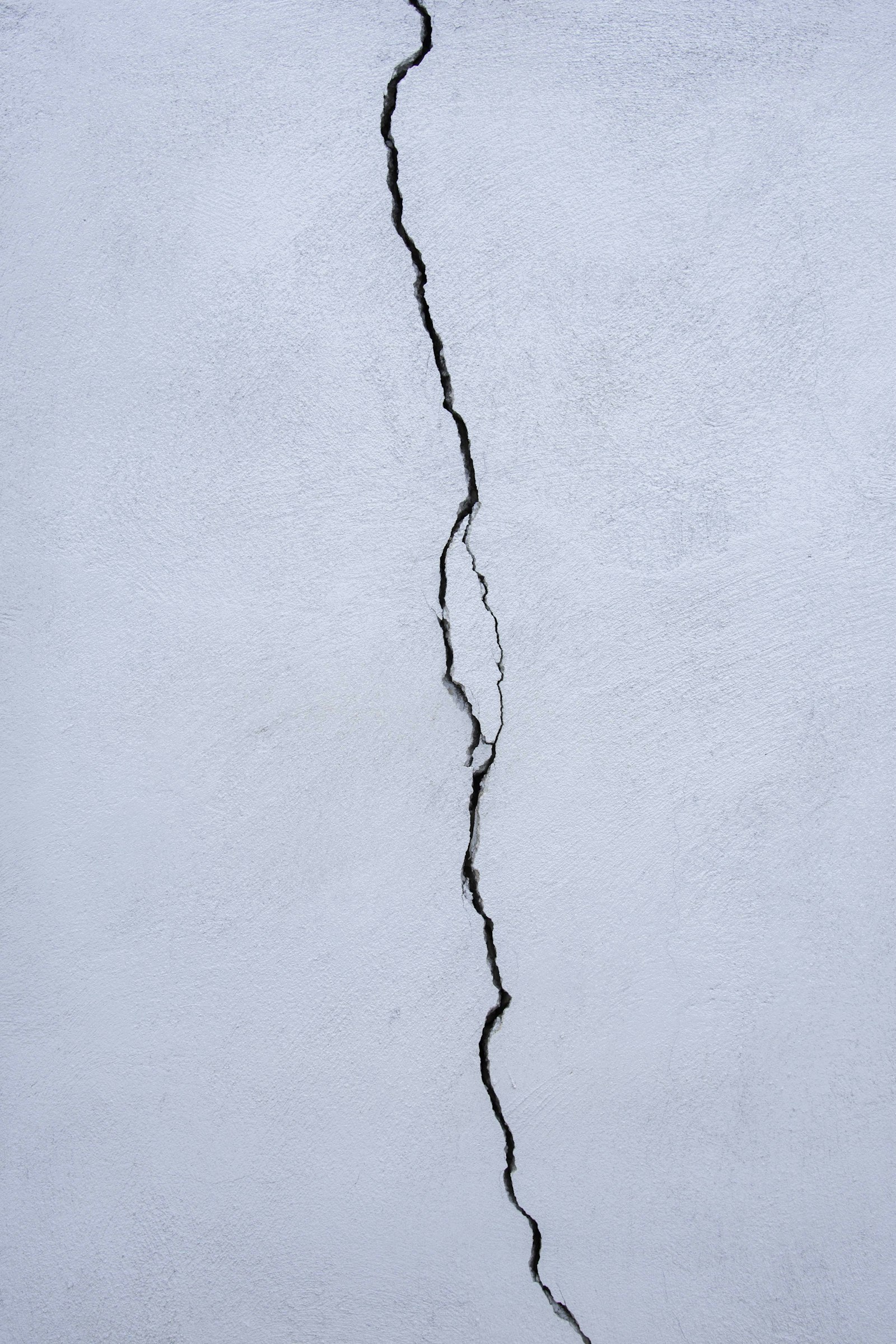
Where a corner has dropped, lifting is taken slowly on a house of this age to protect the plaster and tile.
Foundation LevelingPantego's housing is unusually consistent, which makes the pattern easy to describe. Single-story brick homes on slabs poured before modern post-tension design, on lots with established landscaping, along streets off Park Row Drive and Bowen Road. The slabs themselves are generally sound concrete. What has changed around them is the soil, after decades of wet springs, drought summers and roots reaching under the edge.
Because the lots are compact and the trees are big, access is the practical question. Mention fences, gates, sprinkler lines and any tree within about twenty feet of a wall. If flowerbeds run along the house, say whether they hold water, because a bed that stays damp against one elevation while the rest of the ground bakes is a classic cause of one-sided movement.
Nearly everything is 1960s and 70s slab construction, so the likely causes are well known before anyone arrives on site.
Roots from a big oak can pull a surprising amount of moisture from under a slab edge through a dry summer.
Small lots, fences and established planting affect how equipment reaches the perimeter, which is worth raising at the quote stage.
On a house of this age, part of the decision is how far to lift. Sixty years of plaster, tile, cabinets and brickwork have settled into the current shape, and chasing perfect level can crack more than it repairs. A sensible scope aims for a stable, much-improved house and says so in writing. Ask what target the crew is working toward before they start.
The other decision is the pier type, set out in our pressed concrete versus steel piers comparison. Before any of that, though, it is worth reading which cracks actually matter, because not everything visible on a 1970s wall is structural.
South of here, Kennedale mixes this era of housing with older crawl space homes, and the much larger lots of Dalworthington Gardens start just across Park Row Drive. See the other nearby towns or check the contact page.
It depends on how many piers the house needs, which type, how deep they go and how tight the access is around a compact lot. Ask the provider to survey the floor and walk the outside before quoting, with a written scope showing each pier position. See how piers are installed.
Arlington Foundation Repairs connects callers in Pantego and the rest of the Arlington area with independent foundation repair providers. Have your address ready, and see the call information page.
Availability depends on the provider and the property location; call to check. Foundation movement happens over seasons, not hours, so there is normally time to arrange it properly rather than rushing it.
Most hairline cracking in an older slab is not a safety issue by itself. What matters is whether it is opening further, whether the floor has dropped and whether a brick wall is bulging. Do not dig beside the slab to investigate, as utility lines run close to the house on lots this size. Have it measured instead.
Not as a first step. A root barrier set between the tree and the foundation usually deals with the moisture problem without losing a mature tree, and taking out a large tree can cause the clay to swell as it takes water back up. Our root barrier page explains how it works.
They are approached more cautiously. Slabs from that era generally have lighter reinforcement than modern pours and the finishes above them are less forgiving, so lifting is taken in smaller stages. The method is the same; the pace and the target are not. See foundation leveling.
When you call, mention which walls crack and how close the trees are.