What Is a Pier and Beam Foundation? Arlington
What is a pier and beam foundation? It is a raised foundation that holds an Arlington house on piers and beams above a crawl space, instead of on a concrete slab poured on the ground. This guide explains how it works, how to spot trouble, and when to call to be connected with a local provider.
- Pier and beam homes sit on piers, beams and joists above a crawl space.
- Warning signs include bouncy or sloping floors, sticking doors and musty crawl space air.
- Expansive clays in the Blackland Prairie shrink and swell markedly with moisture (USDA NRCS), so piers on clay can move with the seasons.
- NAHB reports 97.9% of new single-family homes in the West South Central region were built on slabs in 2024.
- Get inspection findings and a written quote before any work.
What is a pier and beam foundation?
A pier and beam foundation is a raised foundation system. Piers set into or on the soil carry beams, the beams carry floor joists, and the joists carry the subfloor and the house. In Arlington, that leaves an open crawl space under the home, usually tall enough to crawl through but not to stand in.
The main parts:
- Footings and piers: concrete, masonry or other supports that sit on or in the soil and carry the weight down to the ground.
- Beams (girders): long horizontal members that span from pier to pier.
- Floor joists: smaller framing members that run across the beams and hold up the floor.
- Shims: thin spacers placed between a pier and a beam to fine-tune the height.
Because each pier is a separate support, one can sink or lift while others stay put, so problems often show up in one room first.
How is a pier and beam foundation different from a slab?
The main difference is the space underneath. A slab foundation is a concrete pad poured directly on the ground, so the floor sits on the concrete. A pier and beam foundation lifts the floor off the ground on framing, so there is an open crawl space below.
- Access: plumbing, ducts and wiring under a pier and beam home can usually be reached from the crawl space. Under a slab, pipes are buried in or below the concrete.
- How movement shows: slab movement often shows as cracks in the slab, tile or brick. Pier and beam movement often shows as sloping or springy floors.
- Adjustment: many pier and beam homes can be re-leveled from the crawl space by adjusting shims or supports.
- Moisture: a crawl space can collect water and humidity, which can lead to wood rot.
Compare slab foundation repair and pier and beam foundation repair.
How can you tell if your Arlington house is pier and beam?
The quickest check is to look for a crawl space. If your Arlington house has a small access door or vents along the bottom of the outside walls, and the floor sits a step or more above the ground, it is likely pier and beam.
- Walk the perimeter. Look for foundation vents, a crawl space access hatch, or skirting around the base of the house.
- Check the entry steps. Pier and beam homes often have several steps up to the front door. Slab homes often sit closer to grade.
- Feel the floors. Wood floors over a crawl space can sound hollow.
Do not crawl under the house if the space is wet, has standing water, exposed wiring, pests, or very little clearance. Note what you see from the access door and call to be connected with a local provider who can inspect it safely.
Need help now? Call to be connected with a local provider in Arlington who can check availability for your address.
What are the signs of pier and beam foundation problems?
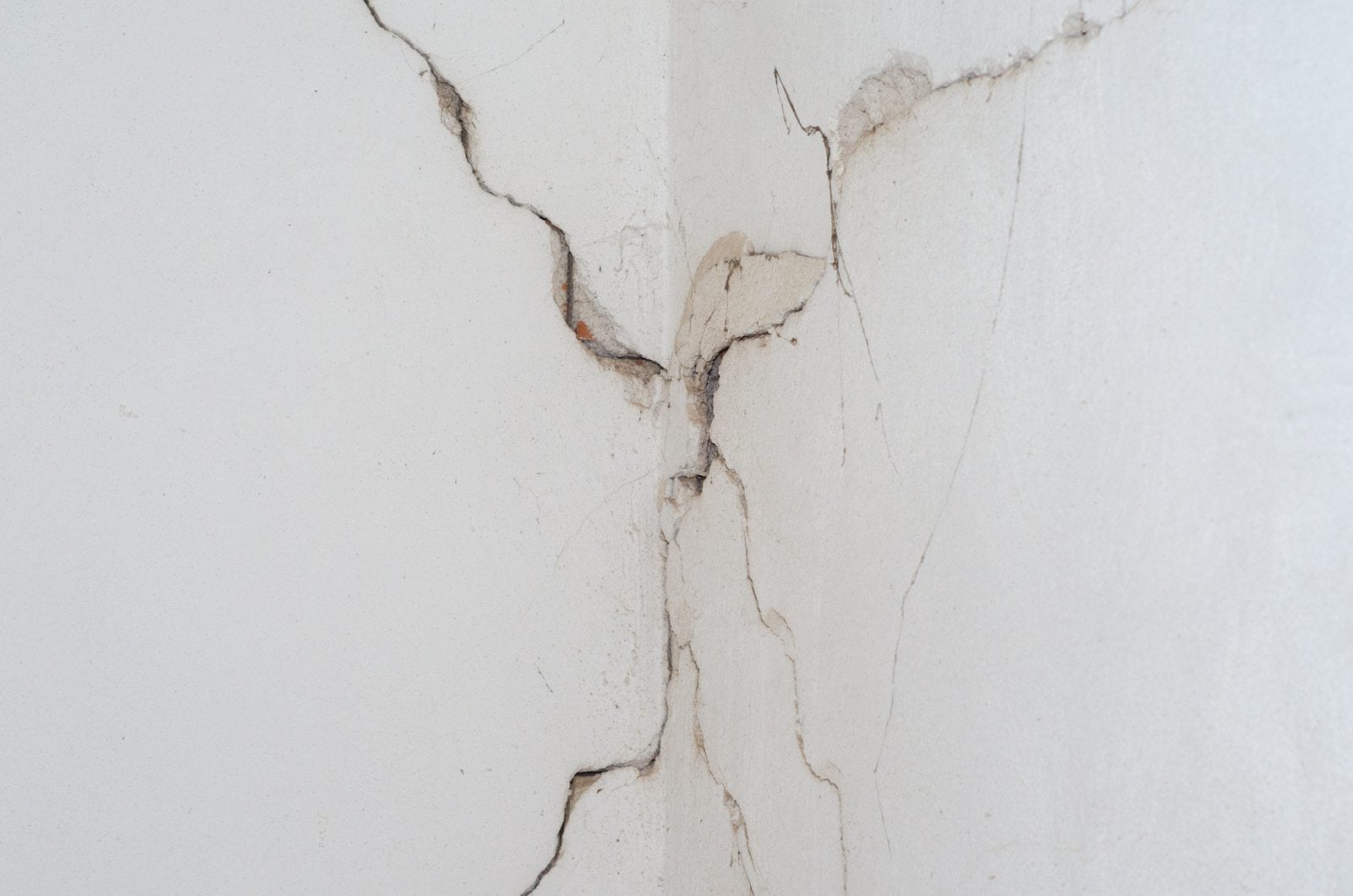
The most common signs of pier and beam foundation problems are floors that slope, sag or bounce, doors and windows that stick, and gaps where the floor meets the baseboard. Musty smells or damp air from the crawl space are also signs worth checking.
- Soft or springy spots in the floor, often near bathrooms, kitchens or exterior walls.
- A floor that dips toward the middle of a room or slopes toward one wall.
- Doors that swing by themselves or no longer latch.
- Crawl space clues: standing water, wet insulation, wood that looks dark or crumbly, leaning or cracked piers, or shims that have slipped out.
One small crack on its own is not proof of a foundation problem. Several signs together, or signs that get worse from season to season, are a good reason to call for an inspection. If signs are severe, ask for a qualified inspection or a structural engineer.
What causes pier and beam problems under the house?
Most pier and beam problems come from soil movement under the piers, moisture in the crawl space, or wood framing that has weakened over time. Often two or three of these work together.
- Soil movement: clay soil swells when wet and shrinks when dry. A pier on that soil can lift or settle as the moisture changes.
- Poor drainage: gutters that dump water near the house, or a yard that slopes toward the foundation, can send water into the crawl space. See drainage correction and root barriers.
- Moisture and rot: damp air and standing water can soften beams, joists and sill plates.
- Plumbing leaks: a slow leak can soak the soil around piers and wet the framing.
- Worn supports: beams spanning too far, or shims that have crushed or shifted, can let the floor sag.
Leveling without fixing the water source can mean the sag comes back.
What repair options exist for pier and beam foundations?
Pier and beam repairs usually fall into a few groups: re-leveling with shims, adding or replacing piers, repairing or reinforcing beams and joists, and fixing moisture in the crawl space. The right mix depends on what the inspection finds.
- Shimming and re-leveling: adjusting the height between piers and beams to bring floors back closer to level.
- Adding piers: placing new supports where beams span too far or where the floor sags between existing piers.
- Replacing damaged piers: swapping out piers that have cracked, leaned or sunk.
- Beam and joist work: sistering (fastening new lumber beside a weak member) or replacing rotted sections.
- Crawl space moisture control: drainage fixes, vapor barriers and ventilation changes. See crawl space repair.
Ask any provider to connect each repair in the plan to a finding.
What happens during the visit?
When you call, you are connected with a local provider who visits the home, inspects the foundation, explains your options and gives you a written quote before any work begins. You decide what to do next.
- Inspection: the provider walks the inside and outside of the house, takes floor elevation readings, and checks the crawl space for pier condition, beam and joist condition, shims, moisture and drainage.
- Findings explained: you hear what is moving, where, and the likely cause, whether soil, water, leaks or worn framing.
- Options: the provider explains the repair choices that fit those findings, including drainage or moisture fixes that may be part of the plan.
- Written quote: you get the scope of work in writing before anything starts, so you can compare it and ask questions.
Have your notes ready: which rooms show signs, when they started and any past repairs. See foundation inspection.
Is a pier and beam house a good or bad buy?
A pier and beam house is not automatically a good or bad buy. What matters is the condition of the piers, beams, joists and crawl space, and whether drainage keeps water away from the house.
- Ask for the crawl space to be checked during the home inspection, not only the rooms above it.
- Check the insurance side early: the Texas Department of Insurance lists damage to foundations or slabs as an optional add-on to a policy, so read the policy for that endorsement.
If an inspection report flags foundation items, call to be connected with a local provider who can look at those findings and give you a written quote to work from.
How do Arlington soils and weather affect pier and beam homes?
Arlington sits in the Dallas-Fort Worth area, where expansive clay soil and big swings between wet and dry periods can move the piers under a raised home. The USDA describes the Blackland Prairie, home of the highly expansive Houston Black clay, as extending from north of Dallas south to San Antonio, and lists Houston Black in the eastern part of the Grand Prairie region. Not every lot sits on this soil, so only an inspection can tell you what is under your house.
- Shrink and swell: USDA NRCS says Houston Black clays shrink and swell markedly with changes in moisture, and in dry periods they can crack 1/2 to 4 inches wide at a 12-inch depth. Piers resting in soil like that can rise or drop as it changes.
- Freezes: at DFW Airport, the average first freeze is November 22 and the average last freeze is March 12. During the February 2021 winter storm, DFW fell to -2°F and stayed below freezing for 139 consecutive hours, so it is worth checking crawl space plumbing and insulation before cold snaps.
- Fewer new raised homes: NAHB reports that 97.9% of new single-family homes in the West South Central region, which includes Texas, were built on slab foundations in 2024. That covers new construction only.
Homeowners in Kennedale, Pantego, Grand Prairie and Dalworthington Gardens deal with the same soil and weather swings. See foundation repair in Kennedale, or call to be connected with a local provider near you.
Related pages
Questions people ask
What is a pier and beam foundation, in simple terms?
It is a raised foundation where the house sits on beams and floor joists held up by piers, with a crawl space underneath. The floor does not touch the ground the way it does on a slab.
How do I know if my house in Arlington is pier and beam or slab?
Look for foundation vents or a crawl space access door along the base of the outside walls. If you find them and the floor sits a few steps above the ground, the home is likely pier and beam.
Is pier and beam better than a slab foundation?
Neither is better for every house. Pier and beam gives easier access to plumbing and can often be re-leveled from below, while a slab has no crawl space to keep dry.
Can a pier and beam foundation be leveled?
Often, yes. Many pier and beam homes can be brought closer to level by adjusting shims, adding piers or repairing beams, depending on what the inspection finds.
Does clay soil in Arlington affect pier and beam foundations?
It can. USDA NRCS says Houston Black clays in the Blackland Prairie shrink and swell markedly with moisture, so piers on clay soil can lift or settle as the soil changes.
Is it safe to go into my crawl space to look around?
Only if it is dry, clear and has enough room to move. Stay out if there is standing water, exposed wiring, pests or very low clearance, and call for an inspection instead.
What does a musty smell under my house mean?
A musty smell usually means moisture is building up in the crawl space. That can come from poor drainage, a plumbing leak or high humidity, and it can lead to wood rot over time.
What causes pier and beam foundation problems in Texas?
The most common causes are soil movement, poor drainage, crawl space moisture, plumbing leaks and aging wood framing. In clay areas, wet and dry cycles can move piers unevenly.
Can plumbing leaks damage a pier and beam foundation?
Yes. A leak can soak the soil around nearby piers and wet the beams and joists above, which can lead to settling or rot near bathrooms and kitchens.
Does homeowners insurance cover pier and beam foundation repair in Texas?
It depends on your policy. The Texas Department of Insurance lists damage to foundations or slabs as an optional add-on, so check your policy for that endorsement and document everything.
Should I buy a house with a pier and beam foundation in Arlington?
A pier and beam house can be a fine purchase if the crawl space, piers and framing are in good shape. Ask for the crawl space to be included in the inspection before you decide.
Do I need a structural engineer for pier and beam problems?
For severe signs, such as a floor that has visibly dropped or framing that looks broken, a structural engineer or qualified inspection is a smart step before any repair plan.
Do freezes in Dallas-Fort Worth affect pier and beam homes?
Freezes mainly affect exposed plumbing in the crawl space. During the February 2021 storm, DFW stayed below freezing for 139 consecutive hours, so insulating crawl space pipes is worth checking.
Can I level a pier and beam floor myself?
It is not a good DIY job. Jacking a house or changing shims without a full picture can crack walls or stress framing, so note the signs and call for an inspection instead.
Who can I call about pier and beam foundation problems in Kennedale or Pantego?
Call the number on this page to be connected with a local provider serving Kennedale, Pantego and the rest of the Arlington area.
Talk to someone about your foundation problem
Call to be connected with a local provider who can check availability for your address and explain the next step.