Foundation Inspection Cost in Arlington, TX
Foundation inspection cost in Arlington, TX depends mostly on who does the inspection, what kind of report you need, the size and type of your home, and how easy the foundation is to reach. A quick look from a repair provider and a stamped engineer's report are very different jobs. Call to be connected with a local provider and ask what is included.
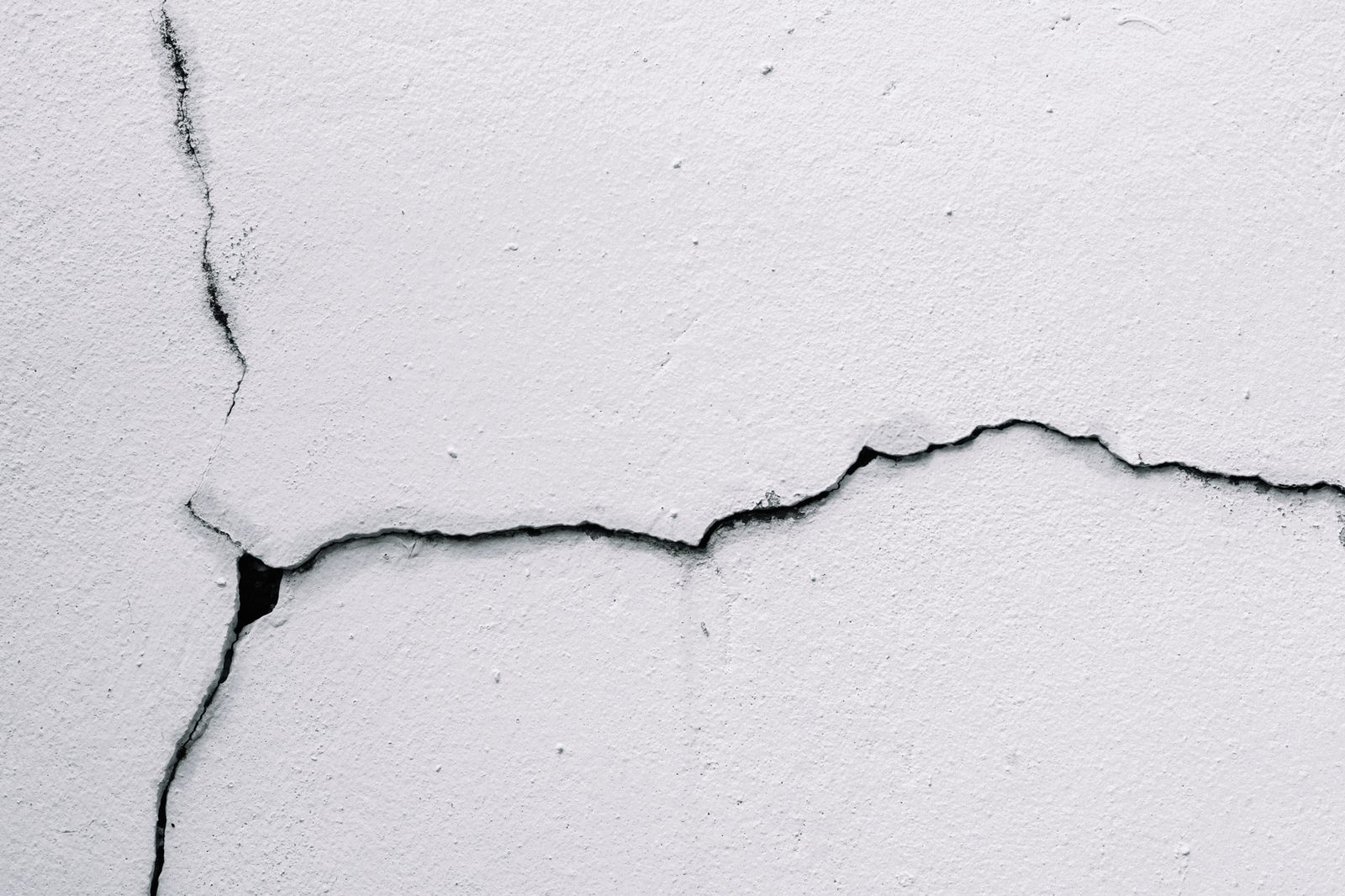
- The type of inspection and the written report you need are the biggest cost drivers.
- Slab homes are the norm here: NAHB reports 97.9% of new single-family homes in the West South Central region were built on slabs in 2024.
- Expansive clays in the Blackland Prairie shrink and swell markedly with moisture (USDA NRCS), so readings can change by season.
- The Texas Department of Insurance lists foundation or slab damage as an optional policy add-on, so check your policy before any claim.
- Ask what is included and get the scope in writing before you agree to any inspection or repair.
How much does a foundation inspection cost in Arlington, TX?
A foundation inspection in Arlington, TX has no single set cost, because the job changes from home to home. What you pay depends on who inspects, how much measuring they do, how hard the foundation is to reach, and whether you need a formal written report. Ask every provider exactly what their visit includes before you book it.
It helps to think of foundation inspections in three rough tiers. Each one answers a different question, and each one takes a different amount of time and expertise.
- Repair provider evaluation: a walk-through with floor elevation readings and a recommended plan, usually aimed at whether repair work makes sense.
- Structural engineer's evaluation: an independent opinion from an engineer who is not selling the repair, often with a written letter or report.
- Detailed engineering report: a fuller report with an elevation survey, findings and a repair design that a contractor can follow.
The more formal the report, the more time goes into it, and the more it usually costs. Our foundation inspection page explains what a standard visit covers.
What factors change the cost of a foundation inspection?
The main cost drivers are the inspector's role, the report type, the home's size and foundation type, access, and travel. A larger home takes longer to measure. A pier-and-beam home with a crawl space takes more effort than a slab. A stamped engineer's report takes more office time than a verbal summary at the door.
- Who inspects: a repair provider's evaluation is usually a different service from an independent engineer's opinion.
- Report type: a verbal summary, a short letter, and a full written report with drawings are priced differently.
- Home size and layout: more square footage and more rooms mean more elevation readings.
- Foundation type: slab homes are measured from inside; pier-and-beam homes often need a crawl space check.
- Access: clutter, tight crawl spaces, or heavy landscaping against the slab add time.
- Extras: plumbing leak tests, soil tests or repeat visits for monitoring are separate steps.
- Timing: a real estate deadline can limit your choice of who is available.
When you compare quotes, compare the scope, not just the total.
Why do some foundation inspections cost more than others?
Some foundation inspections cost more because they produce more: more measurements, more analysis and a formal document you can use with a buyer, lender or insurer. An Arlington homeowner who only wants to know whether a crack is worth watching needs less than a seller who needs an engineer's report for a closing.
A quick evaluation usually ends with a conversation and a repair recommendation. A detailed report may include a full floor elevation map, photos of every sign, notes on drainage and trees, and an engineer's conclusions. That document takes hours of field and office work.
Neither one is wrong. The right choice depends on what decision you are trying to make. If you are not sure, start by telling the provider why you want the inspection, and ask which level of report fits that goal.
Need help now? Call to be connected with a local provider in Arlington who can check availability for your address.
Is a structural engineer inspection different from a foundation repair evaluation?
Yes. A structural engineer gives an independent opinion and is not selling the repair, while a foundation repair evaluation is usually done by a provider who may also offer the work. Both can be useful in Arlington. The engineer's report tends to cost more but carries more weight in a sale or a dispute.
Many homeowners start with a repair provider's evaluation to learn what is going on. If the provider recommends major work, such as piers under much of the home, a second opinion from an engineer can help you confirm the plan before you commit.
- Ask an engineer whether the report will include a repair design or only findings.
- Ask a repair provider whether their plan has been reviewed by an engineer.
- If signs are severe, ask for an engineer's review before any repair starts.
For a sense of what repair plans can include, see our guide to foundation leveling.
When is a foundation inspection worth the cost?
A foundation inspection is usually worth it when you see signs that are new or getting worse, when you are buying or selling, or after a big change such as a plumbing leak near the slab. In Arlington, where clay soil moves with the seasons, an inspection helps separate normal movement from a real problem.
Common reasons Arlington homeowners call include:
- Doors that stick or will not latch, especially if it keeps getting worse.
- Stair-step cracks in brick or new cracks above doors and windows.
- Floors that feel sloped or tile that cracks.
- Gaps between the soil and the slab after a dry summer.
- A buyer's inspection report that flags the foundation.
If you are not sure whether your signs matter yet, read our post on foundation problem warning signs first.
How can I keep my foundation inspection cost down?
The simplest way to keep a foundation inspection cost reasonable is to know what you need before you call. Decide whether you want a quick evaluation or a formal report, gather your notes and photos, and make the foundation easy to reach. A focused visit takes less time.
- Write down the signs: where cracks are, when doors started sticking, and what changed.
- Take dated photos: they show change over time, which a single visit cannot.
- Clear access: move furniture from problem areas and clear the path to any crawl space.
- Share past reports: earlier inspections or repair records give the inspector a starting point.
- Ask about scope: confirm what is included so there are no surprise add-ons.
Do not try to skip the inspection by guessing at repairs. A plan built on measurements protects you from paying for work you may not need.
What happens during the visit?
The visit starts with an inspection, then an explanation of options, and a written quote before any work begins. A local provider walks the inside and outside of your Arlington home, checks cracks, doors and floors, and usually takes floor elevation readings to see how level the slab is.
- Inspection: interior and exterior signs, drainage, grading, gutters and nearby trees, plus elevation measurements.
- Explanation: what the readings suggest, whether the movement looks seasonal or ongoing, and which options fit, such as drainage fixes, monitoring or piers.
- Written quote: the scope of any recommended work in writing before anything starts, so you can compare and ask questions.
Ask what would change their advice, and whether they think an engineer should review the home. If drainage is part of the problem, our page on drainage and root barriers explains common fixes.
Why do Arlington homes need foundation inspections so often?
Arlington sits in the Dallas-Fort Worth area, where expansive clay soil is common. The USDA describes the Blackland Prairie, home of the highly expansive Houston Black clay, as extending from north of Dallas south to San Antonio, and lists Houston Black in the eastern part of the Grand Prairie region. These clays shrink and swell markedly with moisture, and in dry periods they can crack 1/2 to 4 inches wide at a 12-inch depth. Not every lot sits on this soil, but it explains why inspections are a common topic here.
- Slabs are the norm: NAHB reports that 97.9% of new single-family homes in the West South Central region, which includes Texas, were built on slab foundations in 2024.
- Freeze timing: at DFW Airport, the average first freeze is November 22 and the average last freeze is March 12.
- The 2021 freeze: insurers reported 36,357 claims in Tarrant County from the February 2021 winter storm (all insurance lines combined).
- Insurance: the Texas Department of Insurance lists damage to foundations or slabs as an optional add-on, so check your policy for that endorsement before you file anything.
Because readings can shift between a dry summer and a wet spring, ask your inspector how the season may affect what they measure. Homeowners in Mansfield, Grand Prairie, Pantego and Kennedale face the same soil patterns. See foundation repair in Mansfield, or call to be connected with a local provider near you.
Related pages
Questions people ask
How much does a foundation inspection cost in Arlington, TX?
It depends on who inspects and what report you need. A repair provider's evaluation, an engineer's letter and a full engineering report are different services, so ask each provider what is included before you book.
What affects foundation inspection cost the most?
The type of report matters most. A verbal summary takes far less time than a stamped engineer's report with an elevation map, and home size, foundation type and access also change the time involved.
Is a structural engineer more expensive than a foundation repair company inspection?
Usually, yes, because an engineer's report is an independent professional opinion and often a formal document. A repair provider's evaluation is focused on whether repair work makes sense.
Why would a foundation repair company inspect my house before giving a quote?
They need measurements to know what is wrong and what fix fits. Floor elevation readings and a look at drainage and cracks let them write a scope of work you can compare.
Do I need a foundation inspection before selling my house in Texas?
It is not always required, but many sellers get one when a buyer's inspection flags the foundation. A written report can help both sides understand the findings.
Should I get a foundation inspection before buying a house in Arlington?
It is worth considering, especially if the general home inspection notes cracks, sticking doors or sloped floors. A focused foundation inspection gives you more detail before closing.
Does homeowners insurance pay for a foundation inspection in Texas?
It depends on your policy. The Texas Department of Insurance lists foundation or slab damage as an optional add-on, so read your policy and ask your insurer before assuming any coverage.
Is a foundation inspection worth it if I only see small cracks?
It can be. One hairline crack is often cosmetic, but cracks that keep growing, or cracks with sticking doors, are worth having measured.
How long does a foundation inspection take?
It varies with the size of the home and the depth of the report. Ask the provider how long they expect to be on site and when the written results will be ready.
What does a foundation inspector check?
They check interior and exterior cracks, doors, windows and floors, drainage, grading, gutters and nearby trees. Most take floor elevation readings to see how level the slab is.
Does a pier and beam foundation inspection cost more than a slab inspection?
It often takes more effort, because the inspector may need to enter the crawl space and check piers, beams and moisture. Ask how access affects the scope of the visit.
Can I inspect my own foundation?
You can watch for signs and take dated photos, which helps any inspector. Measuring how level a slab is and judging whether movement is serious takes a qualified inspection.
What is a floor elevation survey?
It is a set of level readings taken across the floors of a home. The readings show high and low spots, which helps explain whether part of the foundation has moved.
Will I get a written report after a foundation inspection?
It depends on the service. Ask before the visit whether you will get a written report, a short letter or a verbal summary, and whether a repair quote will be in writing.
How often should a foundation be inspected in North Texas?
There is no fixed schedule. Many homeowners call when signs appear or change, before a sale, or after a leak near the slab, since clay soil can move with the seasons.
Can a foundation inspection be done in any season?
Yes. Just keep in mind that clay soil can be drier in late summer and wetter in spring, so ask the inspector how the season may affect what they measure.
Should I get more than one foundation inspection?
If a provider recommends major work, a second opinion, often from a structural engineer, can help you confirm the plan before you commit.
What questions should I ask before booking a foundation inspection?
Ask who will inspect, what is measured, what kind of report you get, whether extras like leak tests are separate, and whether any repair quote will be written.
Does a plumbing leak test come with a foundation inspection?
Usually not. A leak test under a slab is often a separate service, so ask whether it is included or recommended if you suspect a leak.
Who do I call for a foundation inspection in Mansfield or Grand Prairie?
Call the number on this page to be connected with a local provider who serves Mansfield, Grand Prairie and other cities near Arlington. They can check availability for your address.
Talk to someone about your foundation problem
Call to be connected with a local provider who can check availability for your address and explain the next step.