Foundation Settlement Repair in Arlington, TX
Foundation settlement repair in Arlington, TX is the work that stops a sinking part of your home and supports it again, often with piers. If you see new cracks, doors that suddenly stick or floors that slope, write down what changed and call to be connected with a local provider who can inspect it.
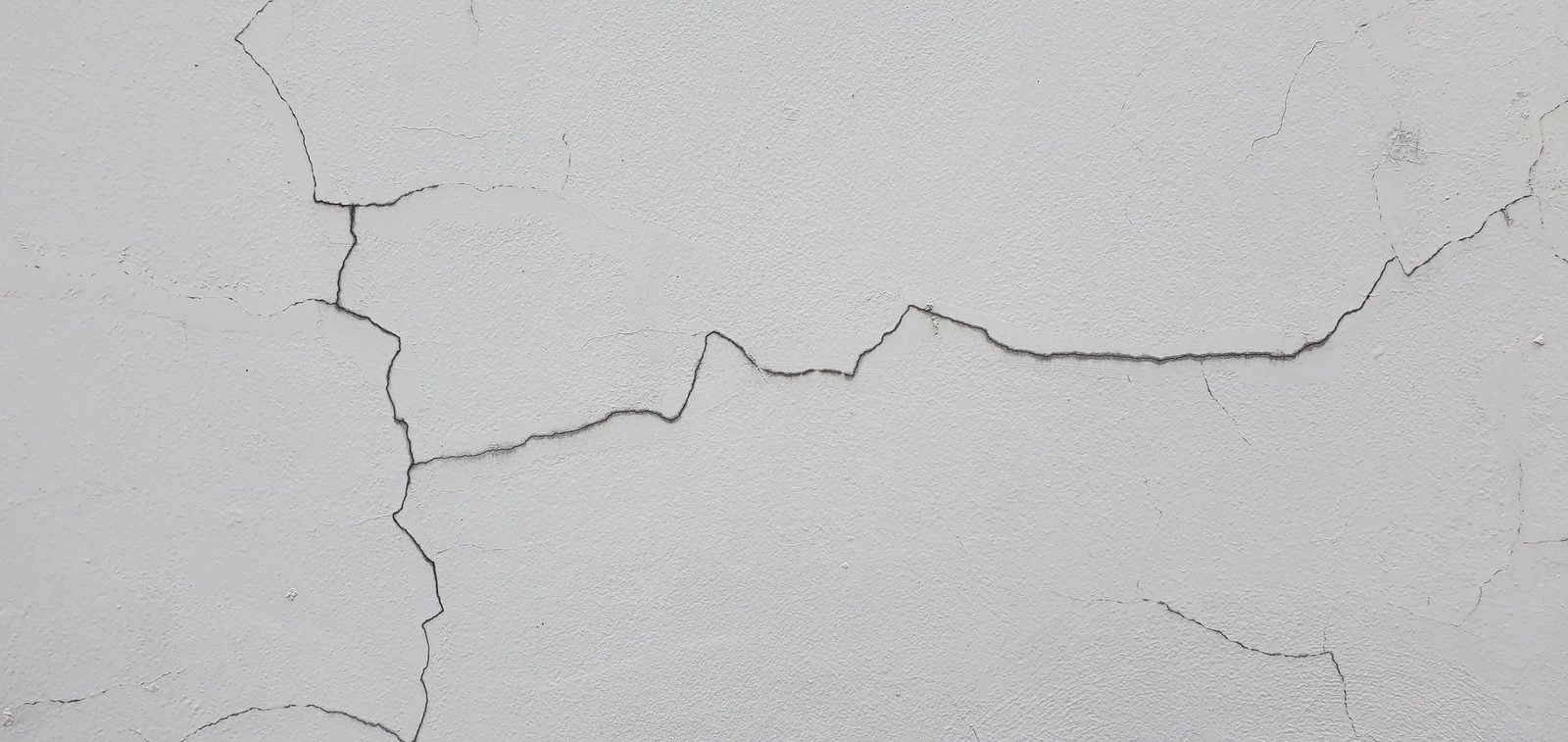
- Settlement means part of a foundation has moved downward, usually because the soil under it shrank, softened or washed out.
- Arlington-area clay soils shrink and swell markedly as moisture changes (USDA NRCS).
- Fast changes, like a crack that grows week to week, deserve a prompt inspection.
- Pier foundation repair is a common way to support a settled slab or beam, but the right fix depends on the inspection.
- For severe cracks, wide gaps or sloping floors, ask for a qualified inspection or a structural engineer.
What to do first
- If a door or window will not open at all, make sure every room still has another way out, and keep that path clear.
- If you see a crack that is opening quickly, falling material or a sagging ceiling, keep people out of that area and ask a qualified inspector or structural engineer to look at it.
- Check for water: look for wet spots on floors, a running water meter with taps off, or pooling water against the slab.
- Mark the ends of cracks with a pencil and date, and take photos with a ruler or coin for scale.
- Do not pile soil, pour concrete or jack anything up yourself before the cause is known.
What is foundation settlement repair, and when does an Arlington home need it?
Foundation settlement repair is work that stops a part of the foundation from sinking further and supports it on firmer ground. An Arlington home may need it when one corner or side has dropped and the signs keep getting worse, rather than opening and closing with the seasons.
Some movement in clay soil is normal. Settlement is different because the low area tends to stay low. A provider will look at where the drop is, how much it has moved and why, before suggesting any repair.
What are the warning signs of foundation settlement?
The common warning signs of foundation settlement are new cracks, doors or windows that stick, and floors that slope toward one side. When several signs show up in the same part of the house, settlement is more likely than normal seasonal movement.
- Diagonal cracks running from the corners of doors and windows.
- Gaps between baseboards and floors, or between walls and ceilings.
- Brick separating from window frames or trim.
- Cracks in tile floors that line up across several tiles.
- A gap opening where the driveway or patio meets the slab.
Our guide to foundation problem warning signs covers more examples.
When is foundation settlement an urgent problem?
Foundation settlement is urgent when changes happen fast, when a door you need to escape through will not open, or when you see sagging, falling material or water you cannot explain. Those signs mean someone qualified should look at the house soon.
Slow changes still matter, but you have time to document them. Fast changes do not leave that room. If a crack grows past your pencil marks within days, or a floor suddenly feels soft or uneven, keep people away from that area and call to get an inspection set up.
Need help now? Call to be connected with a local provider in Arlington who can check availability for your address.
What causes a foundation to settle in clay soil?
In clay soil, a foundation usually settles because the soil under it shrinks during dry spells, softens from too much water, or was not packed well when the house was built. Each cause points to a different fix, so finding it comes first.
- Drying: long hot spells pull moisture out of clay, and it shrinks away from the slab.
- Too much water: plumbing leaks and poor drainage soften soil under one area.
- Tree roots: large trees near the house can draw moisture from the soil.
- Fill soil: loosely placed fill under part of a lot can compress over time.
Drainage problems are often part of the answer. See foundation drainage and root barriers.
How does pier foundation repair fix a settled slab or beam?
Pier foundation repair supports a settled foundation by placing piers under it that reach firmer soil or rock, then using them to hold the structure. Where possible, the low area is lifted closer to level, but full leveling is not always realistic.
Common types include pressed concrete piers, steel piers and drilled piers. Pier-and-beam homes may also need new shims or replaced supports under the beams. Read more on foundation piers and underpinning and foundation leveling.
Can foundation settlement be fixed without piers?
Some foundation settlement can be handled without piers when the movement is small and the cause is fixable, such as a plumbing leak or water pooling against the slab. A provider may suggest fixing drainage first and watching the cracks before any lifting.
Other options can include root barriers, repairing leaks, adjusting shims under a pier-and-beam home, or sealing cracks so water stays out. Sealing a crack alone does not stop settlement, so ask what problem each step solves.
What happens during the visit for foundation settlement repair?
During the visit, the provider inspects the home, measures how level the floors are, explains the options and gives you a written quote before any work starts. You decide whether to go ahead, and you can ask questions at every step.
- Inspection: a walk around the outside and inside, looking at cracks, doors, drainage and trees.
- Measurements: a floor elevation survey to find the low areas.
- Options explained: what is causing the settlement and the choices for addressing it.
- Written quote: the scope of work in writing before anything begins.
Our foundation inspection page explains what is measured.
What should you write down before you call?
Before you call, write down when you first noticed each sign, which rooms are affected, and whether anything changed after rain, a dry spell or a plumbing problem. That record helps the provider understand how fast the settlement is moving.
- Dated photos of cracks with a coin or ruler for scale.
- A list of doors and windows that stick.
- Recent water bills, if they jumped for no clear reason.
- Any past foundation work or inspection reports.
Why does foundation settlement happen around Arlington and nearby cities?
Arlington sits in the Dallas-Fort Worth area, where expansive clay is common. USDA NRCS describes Houston Black clay, found in the Blackland Prairie and the eastern part of the Grand Prairie region, as having high shrink-swell potential, with cracks 1/2 to 4 inches wide at a 12-inch depth during dry periods.
- Long hot summers: DFW's average first 100°F day is July 1 and its average last is August 27, and it logged 71 such days in 2011.
- Winter is near: the average first freeze at DFW Airport is November 22.
- Mostly slab homes: NAHB reports that 97.9% of new single-family homes in the West South Central region were built on slabs in 2024.
- Check your policy: the Texas Department of Insurance lists damage to foundations or slabs as an optional add-on, so review your policy and document everything.
Homeowners in Grand Prairie, Mansfield, Kennedale and Pantego see the same patterns. See foundation repair in Grand Prairie and foundation repair in Mansfield, or call to be connected with a local provider.
Related pages
Questions people ask
What is foundation settlement repair in Arlington, TX?
Foundation settlement repair in Arlington, TX is work that stops a sinking part of a home from dropping further and supports it on firmer ground. It often uses piers, along with drainage or leak fixes that address the cause.
How do I know if my house is settling or just has normal cracks?
Normal hairline cracks stay small and often open and close with the seasons. Settlement usually shows several signs in one area, such as cracks that keep growing, sticking doors and a floor that slopes the same way.
Is foundation settlement an emergency?
It can be. Fast-growing cracks, a door you cannot open to get out, sagging ceilings or falling material call for a prompt inspection. Slow, small changes are less urgent but still worth documenting and checking.
What is pier foundation repair?
Pier foundation repair places piers under a foundation that reach firmer soil or rock, then uses them to support the house. It is one of the most common ways to address settlement in North Texas clay.
Can a settled foundation be lifted back to level?
Sometimes it can be lifted closer to level, but not always all the way. Older settlement, past remodels and the condition of the framing can limit how much lift is reasonable.
Why is only one corner of my house sinking?
One corner often sinks because the soil there is different, such as a wet spot from a leak or downspout, a large tree pulling moisture, or loose fill soil. An inspection looks for what makes that corner unlike the rest.
Can a plumbing leak cause my foundation to settle?
Yes, a leak under or near the slab can soften clay soil and let part of the foundation drop. If your water meter moves with every tap off, mention it when you call so the leak can be checked too.
Should I fix drainage before foundation settlement repair?
Often, yes, or at the same time. If water keeps pooling against the house, the soil may keep moving after the repair. Ask the provider how drainage fits into the plan.
How do I track whether a crack is getting bigger?
Mark both ends of the crack with a pencil and the date, then photograph it with a ruler or coin for scale. Check it every week or two and note any growth past your marks.
Does a sloping floor always mean my foundation is settling?
Not always. Sagging floor joists, a weak beam in a pier-and-beam home or uneven original framing can also cause slopes. A floor elevation survey helps sort out which one it is.
What is the difference between foundation settlement and foundation heave?
Settlement is downward movement, while heave is upward movement when clay swells with water. They can look similar inside the house, so the inspection checks which direction the foundation moved before suggesting a fix.
Will sealing the cracks stop my foundation from settling?
No, sealing cracks keeps water and pests out but does not support the foundation. It may be part of the work, but settlement repair has to address the soil or support under the house.
Can foundation settlement get worse in winter in North Texas?
It can change with the weather. Rain soaks clay and dry spells shrink it, and freezes can stress plumbing that then leaks. Keep checking your crack marks through the cooler months.
Do pier and beam houses in Arlington settle too?
Yes. In a pier-and-beam home, interior piers or the outside beam can drop, causing bouncy or sloping floors. Repairs may include new shims, replaced supports or added piers.
Should I get a structural engineer for foundation settlement?
For severe signs, like wide or fast-growing cracks or big floor slopes, a structural engineer's report is a good idea. It gives an independent view of what needs to be done.
What questions should I ask about a foundation settlement repair quote?
Ask what is causing the settlement, how many piers are planned and where, how drainage will be handled, and what the written scope includes. Compare quotes based on the same problem and scope.
Does foundation settlement affect selling my house in Texas?
It can come up in a buyer's inspection, so keep records of what you saw and any work done. Many sellers get an inspection first so they understand the findings before listing.
Who do I call for foundation settlement repair in Arlington or Grand Prairie?
Call the number on this page to be connected with a local provider who serves Arlington, Grand Prairie and nearby cities. They can set up an inspection and explain your options.
Talk to someone about your foundation problem
Call to be connected with a local provider who can check availability for your address and explain the next step.