Foundation Waterproofing in Arlington, TX
Foundation waterproofing in Arlington, TX usually means controlling water and soil moisture around a slab or pier-and-beam home, not sealing a basement. Clay soil here swells when wet and shrinks when dry. Good drainage, gutters and grading keep those swings smaller. Call to be connected with a local provider who can check your home.
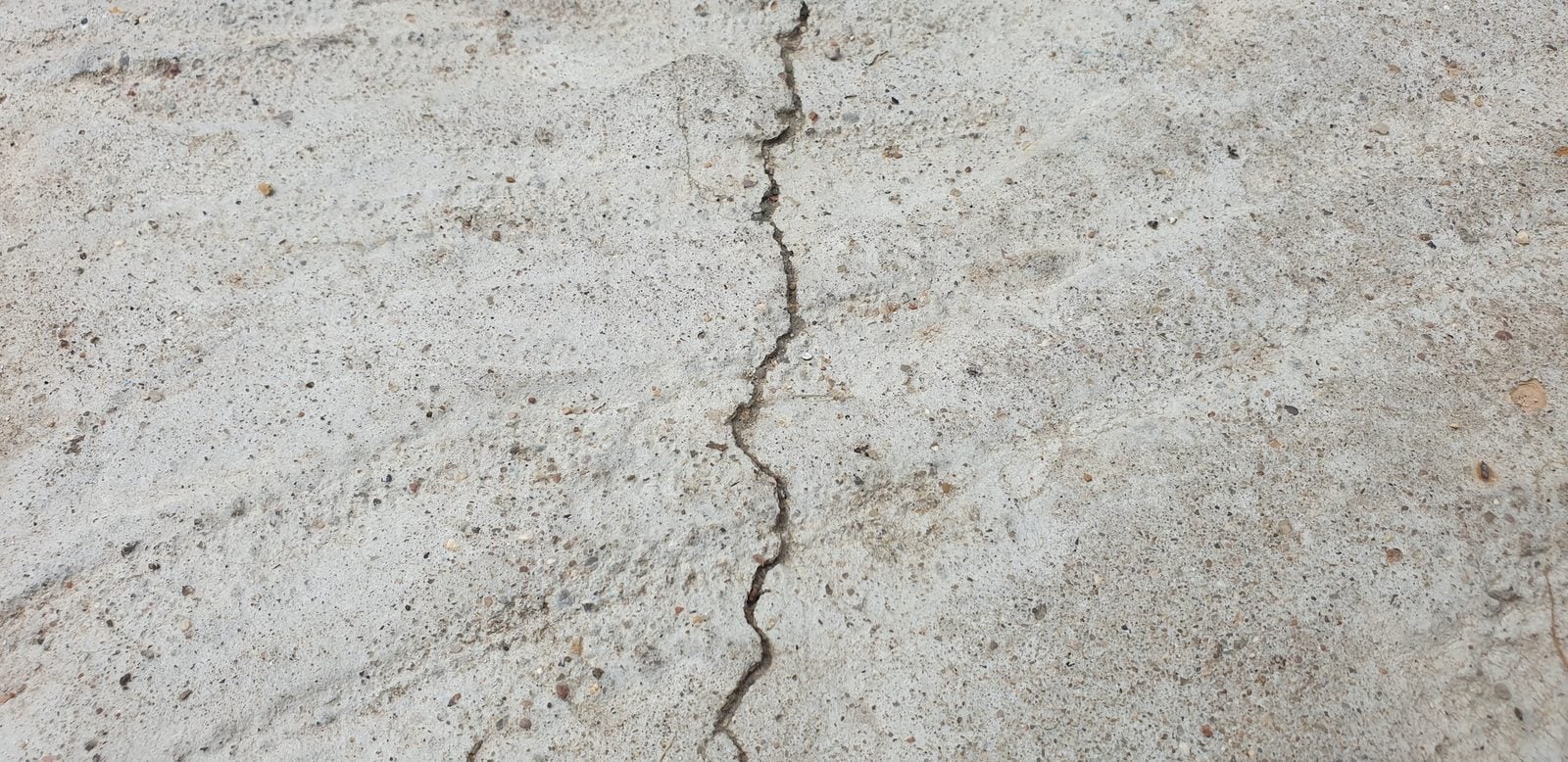
- Most Arlington homes sit on a concrete slab or a pier-and-beam frame, not a basement, so waterproofing focuses on drainage.
- Blackland Prairie clays shrink and swell markedly as moisture changes (USDA NRCS).
- In 2024, 97.9% of new single-family homes in the region that includes Texas were built on slabs (NAHB).
- Pier-and-beam homes add a crawl space, where standing water and damp air are the main concerns.
- For severe cracks or sloping floors, ask for a qualified inspection or a structural engineer.
What does foundation waterproofing mean for an Arlington home without a basement?
For most Arlington homes, foundation waterproofing means keeping water from pooling against the foundation and keeping soil moisture steady. Few homes here have basements. Instead, the goal is to move rain away from a slab or out of a crawl space so clay soil does not swing between soaked and bone dry.
- Drainage: gutters, downspout extensions and surface drains that carry water away.
- Grading: soil that slopes away from the foundation instead of toward it.
- Moisture control: limiting big wet and dry swings next to the slab or under a crawl space.
Our page on foundation drainage and root barriers explains these options in more detail.
Why does water control matter so much on North Texas clay soil?
Water control matters because clay soil around Arlington changes size with moisture. When it gets wet it swells, and when it dries it shrinks and cracks. If one side of a house stays wet and another stays dry, the foundation can move unevenly, which shows up as cracks, sticking doors and sloping floors.
To spot early warning signs, see our guide to foundation problem warning signs.
How is waterproofing different for slab homes and pier-and-beam homes?
Slab homes and pier-and-beam homes both need water moved away, but the details differ. A slab sits directly on the soil, so the focus is the ground right around its edges. A pier-and-beam home sits on piers above a crawl space, so the focus also includes water and damp air under the floor.
- Slab homes: grading, gutters, downspout extensions, surface or French drains, and steady moisture near the slab edge.
- Pier-and-beam homes: the same outside drainage, plus crawl space checks for standing water, vent airflow, vapor barriers and wood that stays damp.
For more on each type, read about slab foundation repair and pier and beam foundation repair.
Need help now? Call to be connected with a local provider in Arlington who can check availability for your address.
What signs suggest a slab home in Arlington has a drainage problem?
Water that sits near the slab after rain is the clearest sign. In Arlington, also look for soil washed away along the slab edge, gaps between soil and concrete in dry weather, downspouts that empty right at the house, and new cracks or sticking doors on the side that stays wettest.
- Puddles that last a day or more next to the foundation.
- Mulch beds or soil built up higher than the slab edge.
- Stains or a damp line on the exposed slab.
- Cracks in brick that grow after wet or dry stretches.
What signs point to moisture trouble in a pier-and-beam crawl space?
Standing water, a musty smell, and soft or bouncy floors are common signs of crawl space moisture in a pier-and-beam home. You may also notice damp insulation, rusty metal, or wood that looks dark and wet. Any of these is a reason to have the crawl space and drainage checked.
Look at the vents from outside too. Vents blocked by soil or plants, or a yard that slopes toward the crawl space openings, can let water in and hold damp air under the house. Our page on crawl space repair covers what a provider may look at.
Can foundation waterproofing in Arlington, TX prevent foundation repair?
Foundation waterproofing in Arlington, TX can lower the moisture swings that drive movement, but it cannot promise you will never need repair. Good drainage is one of the most useful things a homeowner can do on clay soil. It does not fix a slab that has already settled, and it does not replace an inspection when signs are severe.
If cracks keep widening or floors keep sloping, ask a local provider whether drainage changes alone are enough or whether foundation leveling or piers should be part of the plan. For serious signs, ask for a structural engineer's review.
What happens during the visit?
The visit starts with an inspection, then an explanation of options, and a written quote before any work begins. A local provider walks around your Arlington home, looks at grading, gutters and drains, checks the slab edge or crawl space, and often takes floor elevation readings.
- Inspection: where water collects, how the yard slopes, the condition of gutters and downspouts, and for pier-and-beam homes, the crawl space.
- Explanation: what is causing the moisture problem and which options fit, such as regrading, drains, downspout changes, root barriers, crawl space work or leveling.
- Written quote: the scope of any recommended work in writing before anything starts, so you can compare and ask questions.
Ask how each option changes where water goes. Learn more on our foundation inspection page.
What local conditions shape foundation waterproofing around Arlington?
Arlington sits in the Dallas-Fort Worth area, where expansive clay soil is common. The USDA describes the Blackland Prairie, home of the highly expansive Houston Black clay, as reaching from north of Dallas south to San Antonio, and lists Houston Black in the eastern part of the Grand Prairie region. These clays have high shrink-swell potential and can crack 1/2 to 4 inches wide at a 12-inch depth in dry periods.
- Hot, dry summers: DFW's average first 100°F day is July 1 and its average last is August 27, and it once logged 71 such days in 2011. Long heat dries soil next to the slab.
- Slab homes are the norm: NAHB reports that 97.9% of new single-family homes in the West South Central region were built on slabs in 2024.
- Policy check: the Texas Department of Insurance lists damage to foundations or slabs as an optional add-on, so check your policy and document everything.
Homeowners in Pantego, Kennedale, Mansfield and Grand Prairie deal with the same clay and heat. See foundation repair in Kennedale and foundation repair in Mansfield, or call to be connected with a local provider.
Related pages
Questions people ask
What is foundation waterproofing for a house with no basement?
For a house with no basement in Arlington, foundation waterproofing mostly means drainage and moisture control. The aim is to keep rain from pooling against the slab or crawl space and keep clay soil from swinging between very wet and very dry.
Do slab homes in Arlington need foundation waterproofing?
Slab homes in Arlington usually need good drainage more than a sealed coating. Gutters, downspout extensions and grading that slopes away from the slab do most of the work of keeping water off the foundation.
Can water pooling next to my slab cause foundation problems?
Yes, water that pools by a slab can soften clay soil on one side and lead to uneven movement. Fixing low spots and moving downspouts away from the house are common first steps.
How do I keep water out of my pier and beam crawl space?
Start outside: make sure the yard slopes away from the house, gutters drain well and vents are not blocked. Inside the crawl space, a provider may suggest a vapor barrier, better airflow or a drain for standing water.
Is a vapor barrier worth it in a North Texas crawl space?
A vapor barrier can help limit damp air from the soil in a pier-and-beam crawl space near Arlington. Whether it fits depends on your drainage and ventilation, so have the crawl space checked first.
Does a French drain help a foundation on clay soil?
A French drain can help by moving water away from one area of a yard or foundation. On clay soil around Arlington, it works with grading and gutters, not as a fix by itself.
How far should downspouts drain from my foundation?
Downspouts should empty several feet from the foundation so water does not soak the soil by the slab. A provider can look at your yard and suggest extensions or buried lines that fit the slope.
Can sealing the outside of my slab stop foundation movement?
Sealing the edge of a slab does not stop clay soil from moving. In Arlington, movement comes mainly from changes in soil moisture, so drainage and steady moisture matter more than a surface coating.
Why does my yard hold water by the house after it rains?
Water usually sits by the house because the soil slopes toward it or has settled over time. Built-up mulch beds and clogged gutters can add to it, and regrading is a common fix.
Is foundation waterproofing the same as foundation repair?
No. Foundation waterproofing in Arlington, TX is about drainage and moisture control, while foundation repair supports or levels a foundation that has already moved. Many homes need only drainage work, and some need both.
What does a musty smell under my pier and beam house mean?
A musty smell usually points to damp conditions in the crawl space, such as standing water or poor airflow. It is a good reason to have the crawl space and drainage looked at.
Should I add soil around my slab to fix drainage?
Adding soil can help if it creates a slope away from the house, but piling it above the slab edge can cause new problems. Ask a provider to check the grade before you add fill.
Do sprinklers affect my foundation in Arlington?
Sprinklers can affect a foundation if they soak one side of the house much more than the others. Aim heads away from the slab and watch for pooling, since uneven moisture is what drives clay soil movement.
Can a crawl space stay wet even when it has not rained?
Yes. A crawl space can stay damp from moisture rising out of the soil, blocked vents or a plumbing leak. A provider can help find which one applies to your home.
Who can check drainage around my foundation in Pantego or Kennedale?
Call the number on this page to be connected with a local provider who serves Pantego, Kennedale and other cities near Arlington. They can look at grading, gutters and drains around your foundation.
Talk to someone about your foundation problem
Call to be connected with a local provider who can check availability for your address and explain the next step.